Why fund it
Cash works. These bets make it work better, and get others to use it. They fall into three groups: pilots and technology that could raise impact per dollar, research that finds what works best, and advocacy that moves governments and aid agencies toward more cost-effective aid, including cash. A small early investment can change how far much larger pools of money go.
These are high-risk, high reward bets with potential to meaningfully improve our programs and shape the decisions and funding of other major actors. Past GiveDirectly research has found null results leading to experiments being shuttered, driven changes in our model away from UBI payments and towards one-time transfers, been used as the cost-effectiveness benchmark for U.S. and UK government spending, and shaped national policy in multiple countries.
Innovations in our program design have the potential to significantly increase our cost-effectiveness, which will have increasing leverage as we scale our work.
Recent efforts
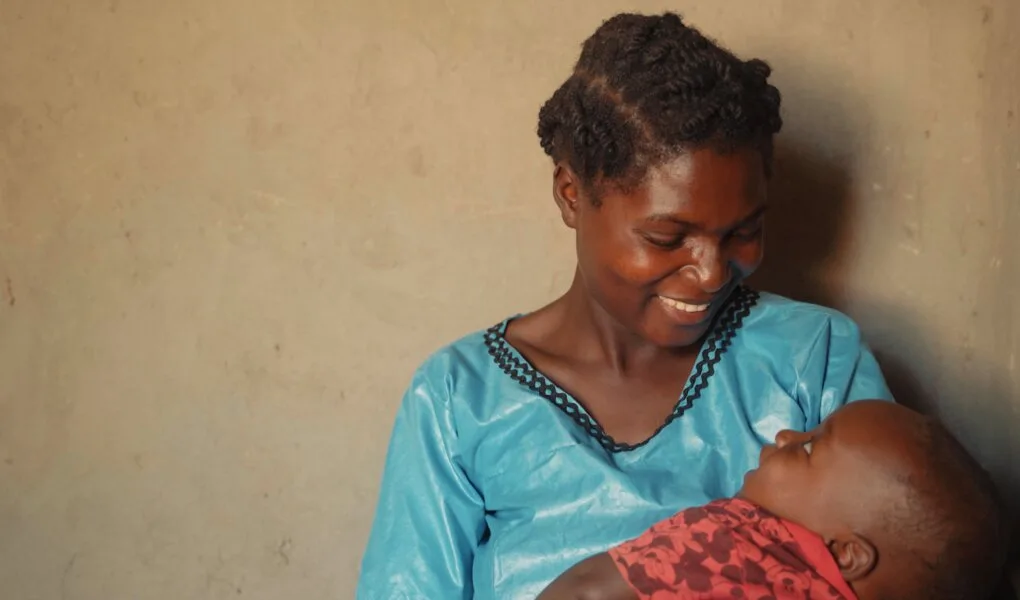
- Reducing infant mortality Our Kenya study found that GiveDirectly cash cut infant deaths by 48%. Now we’re piloting new program designs to maximize that impact and make it scalable. Learn more
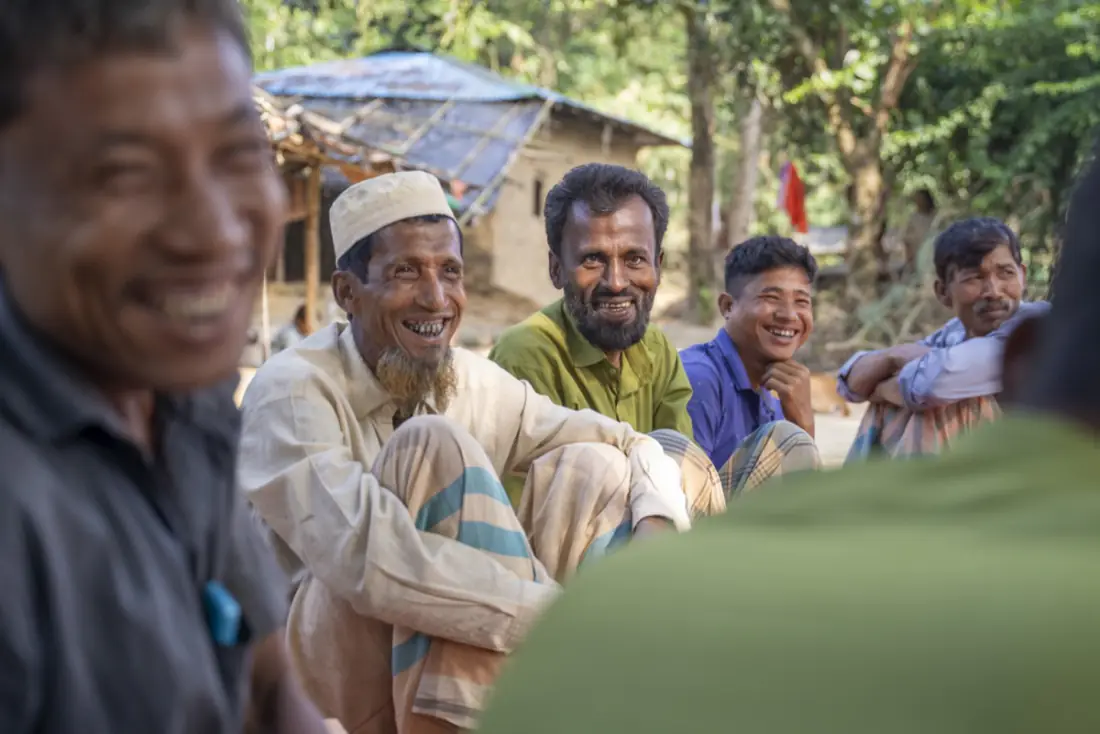
- Anticipatory cash in Bangladesh One of the largest trials of cash before a flood, run with Oxford, BRAC, J-PAL, and Google Flood Forecasting, testing whether warnings alone or warnings plus cash protects families best. Learn more (opens in a new tab)
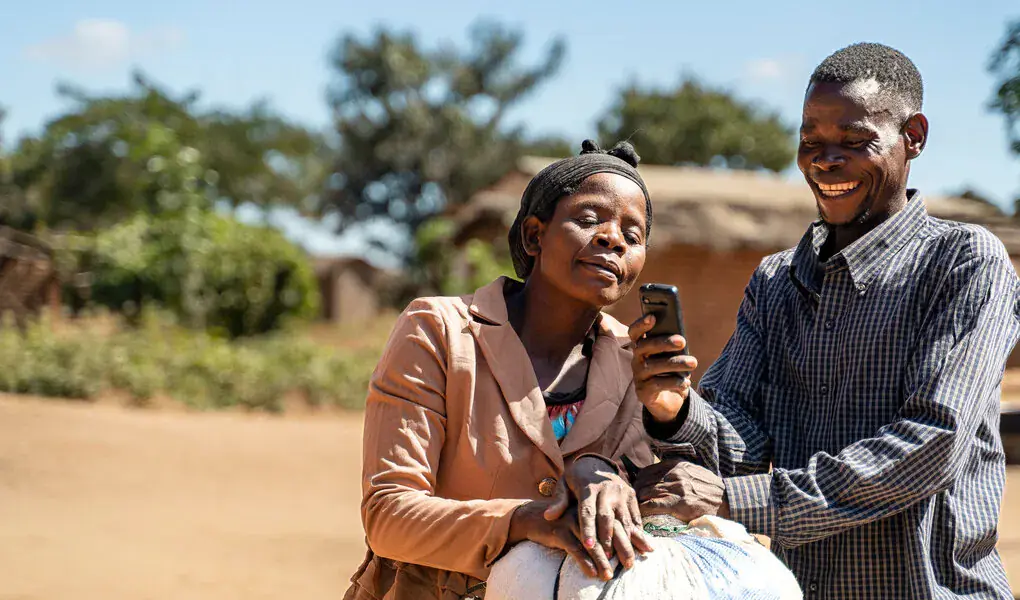
- Malawi, our biggest-ever study We’re enrolling ~120,000 households across two of the country’s poorest districts, with total cash equal to ~85% of the local economy’s annual output. The question: do the gains cash gives families add up to lasting local growth, or do prices rise and the effect fade? Learn more
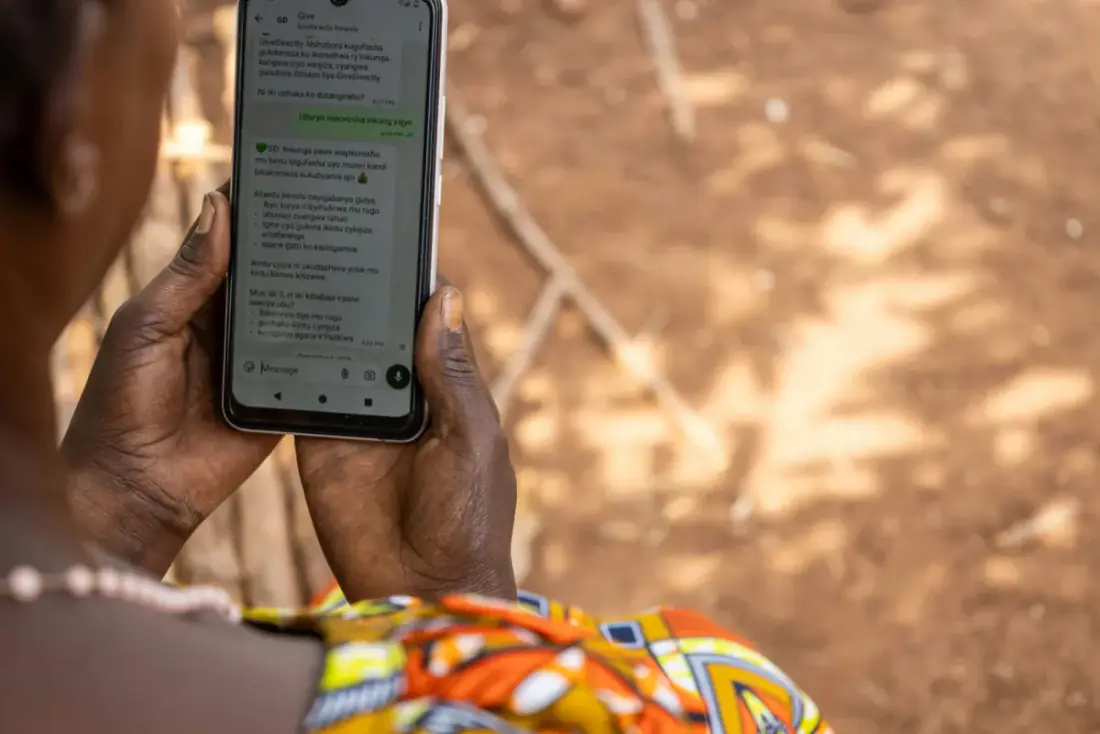
- Rwanda AI Recipients use it heavily, but the Kinyarwanda is inconsistent, voice features fail lower-literacy users, and we don’t yet know whether it improves outcomes. Learn more
Current priorities
Examples of where new funding could go. These represent our capacity, not a forecast.
- $3Mto scale our current pilot to improve LLM performance in 2-4 underperforming African languages by anonymizing, transcribing, and open sourcing thousands of hours of our call center data
- $15Mto run “cash plus coaching” pilots testing digital support to boost the impacts of cash at near-zero marginal cost
- $50M+to anchor a “last phone fund” to help secure a phone and digital connection for every person on earth
- $200M+to fund a new pilot to definitionally end extreme poverty across a district, informed by new statistical modeling that optimizes household targeting and amount of cash based on recipients’ predicted investment returns
Room for more funding:
- Next 12 months:
- $132M+
- Next 3 years:
- $312M+
How we allocate
Gifts to this fund support frontier research, novel cash pilots, technology, and advocacy. Allocations to this fund are made on a rolling basis, prioritizing new opportunities on the basis of:
- Step-change impact potential: could it meaningfully raise impact per dollar, or shift how others fund cash?
- Time sensitivity: would the work stall without funding now?
- Additionality: is it unlikely to be funded elsewhere?
We aim to publish biannual reports on what we funded, what worked, what didn’t, and what’s next.
Risks and uncertainties
These are, by definition, bets – many won’t pay off:
- Some bets won’t be hits. We expect a few big wins to drive most of the impact. Past GiveDirectly research has found null results that led us to shut experiments down, and has also changed our model, moving us from small, ongoing payments toward only large, one-time transfers. We test small, stop early, and report failures as openly as wins (e.g.).
- New designs may not be what recipients want or need. Some piloted designs, like giving neighbors different amounts in our end-of-poverty model or paying those with mobile phones first, could feel unfair or cause tension. Our first value is “Recipients First: we prioritize recipient preferences over those of donors or ourselves.” Recipient feedback and preference is heavily weighted in our testing process.
- Research takes time. Rigorous independent studies can take years to measure, analyze, and publish, so some bets in this fund won’t show results for a long time.
- Policy change is slow and hard to measure. Influencing governments and aid agencies depends on decisions outside our control. Sometimes successes can be undone with changes in leadership, as we saw with USAID. We work across several actors at once, and judge progress on concrete changes in funding and policy, not expressions of interest.
Ultimately, a dollar to our Innovation fund does less for families today than a dollar to Global Poverty, in exchange for the chance to make every future dollar go further.