Sending cash to families fleeing conflict and insecurity
Cash offers a flexible, dignified, and proven way to help refugees rebuild their lives, reduce dependency, and support local economies and social cohesion.
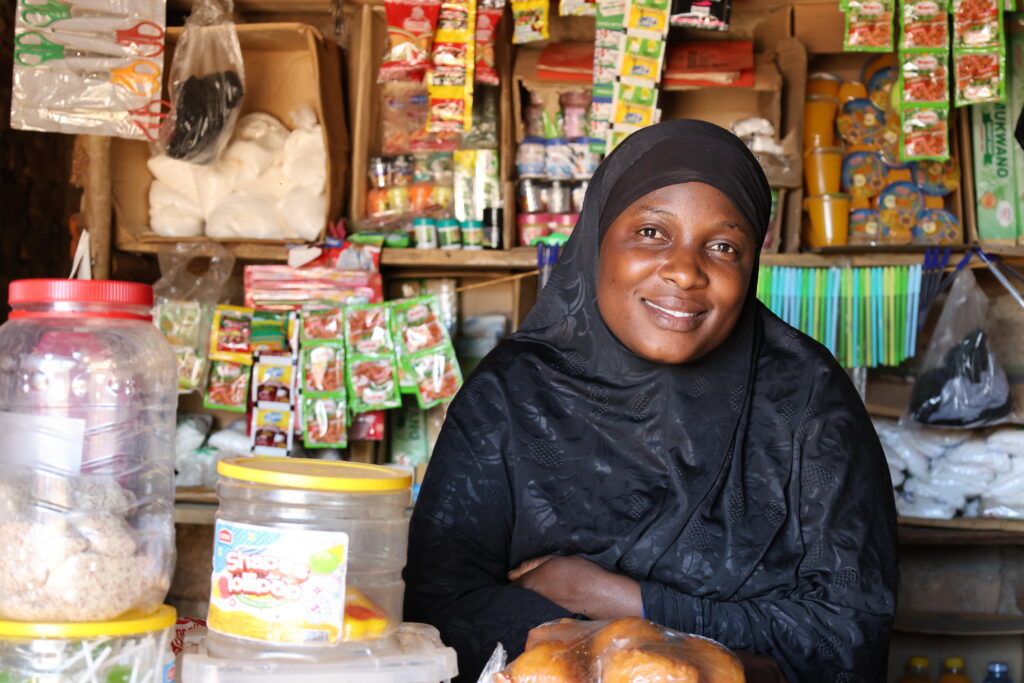
Large cash transfers help refugees achieve sustainable self-reliance and integrate into the local economy
With global conflict showing no signs of abating, the number of refugees who have fled to foreign land reached an unprecedented 43.4 million in 2024. Unable to find work due to their refugee status, language barriers, immobility, lack of community connections, or all of the above, refugees tend to be the poorest of a country’s poor.
To help these refugees restart their lives and build independence, GiveDirectly has launched several cash transfer programs for refugees and delivered over $21.3M to more than 30,000 people in Uganda, Kenya, and Rwanda.
Refugees in both rural settlements and urban settings experience improved well-being after receiving cash transfers
The majority of refugees live in urban areas rather than rural settlements or camps because of the independence and economic opportunities that cities provide. A recent study of our work in Uganda’s rural Kiryandongo refugee settlement showed that households were more likely to have grown assets, increased incomes, and own a business two years after receiving a $1,000 transfer. Hoping to see similar results, we piloted programs in Nairobi, Kenya and Kampala, Uganda to test the feasibility of delivering cash to refugees dispersed in urban settings and have seen increased income, financial access, business ownership, among other positive outcomes.
Featured Active Programs
🇺🇬 Cash+ Sustainable Livelihoods for Refugees in Uganda
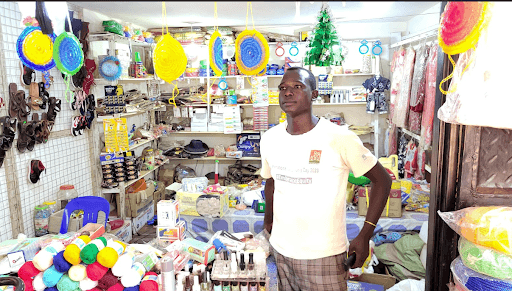
Launched in 2024, this program provides cash to long-term refugee and host communities in and around select rural settlements. Recipients also have the option to participate in additional identified services to support long-term resilience and self-reliance.
Transfer Size
$1,000 one-time transfer
Partners
IKEA Foundation, UNHCR, Office of the Prime Minister
🇰🇪 Cash+ Financial Inclusion for Refugees in Kenya
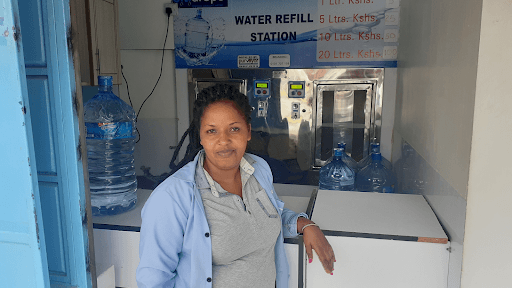
Piloted in 2022 and scaling up in 2024, this program aims to lift vulnerable urban refugees in the Nairobi metropolitan area above the local extreme poverty line through large, unconditional cash transfers. Recipients have the option to participate in additional identified services to support long-term resilience and self-reliance.
Transfer Size
$925 across 2 payments (pilot)
Households Reached
1,182 (pilot)
Outcomes
This program builds on two other GiveDirectly large transfer programs for refugees in Uganda and Rwanda. Refugees often choose to settle in cities because of the independence and economic opportunities they provide. However, they can struggle to receive formal support in their host communities. It can be challenging for urban refugees to access financial systems, find sources of income, and secure their livelihoods.
So far, recipients report increased financial well-being:
- 6 months after receiving cash, recipients’ average income was 81% higher than it was before the program.
- 75% of previously unbanked recipients were able to open bank accounts and gain access to financial tools.
- Recipients were able to invest in existing businesses (29.5%) and start new ones (14.7%).
See how refugees are using cash to change their lives →
Partners
IKEA Foundation, REFUGE Point, UNHCR, Department for Refugee Services, Equity Foundation, Equity
Featured Past Programs
🇺🇬 COVID-19 Relief for Urban Refugees in Uganda
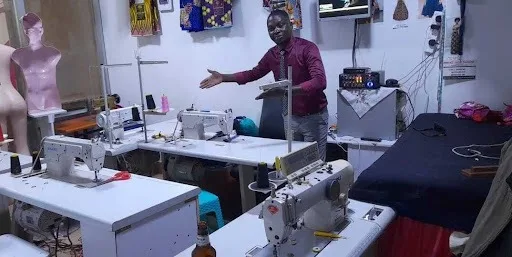
Program that provided cash to urban refugee households in Kampala from 2022 to 2023. Transfers were timed to help recipients rebound from pandemic-related inflation and income losses.
Transfer Size
$750
Recipients Reached
1,200
Outcomes
Many refugees lost their source of income as micro-businesses went bankrupt in the aftermath COVID-19 pandemic. Prices for basic goods also went up, putting extra strain on vulnerable households. Recipients reported using the cash they received to re-establish their lost livelihoods — 43.18% invested in their existing business or started a new one. Other common spending areas were education, debt repayment, paying for basic needs, and saving for the future.
Partners
Department of Refugees at the Office of the Prime Minister, IKEA Foundation, Conrad Hilton Foundation
🇺🇬 Cash for Refugees, Kiryandongo in Uganda
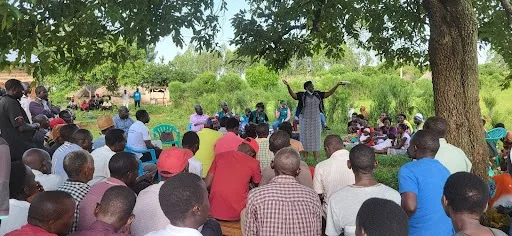
Program that delivered cash to refugees and host community members living in and around the Kiryandongo settlement from 2019 to 2022. Program included a randomized control trial to test the impact of the program in helping long-term refugees on their journey to self-sufficiency.
Transfer Size
$1,000 across 3 monthly installments
Households Reached
15,000
Outcomes
We surveyed recipients 19 months after they received their final cash transfer. The evaluation found that compared to a control group, refugees who received the cash scored higher on psychological well-being and self-reliance assessments. They were also spending 11% more, business ownership increased by 8.2%, and the value of the assets they owned increased by 60%.
Read more about the study here →
Partners
Global Innovation Fund, IKEA Foundation, Swedish Postcode Lottery Foundation, IDInsight, UBS Optimus Foundation
🇷🇼 Self-Reliance for Refugees in Rwanda
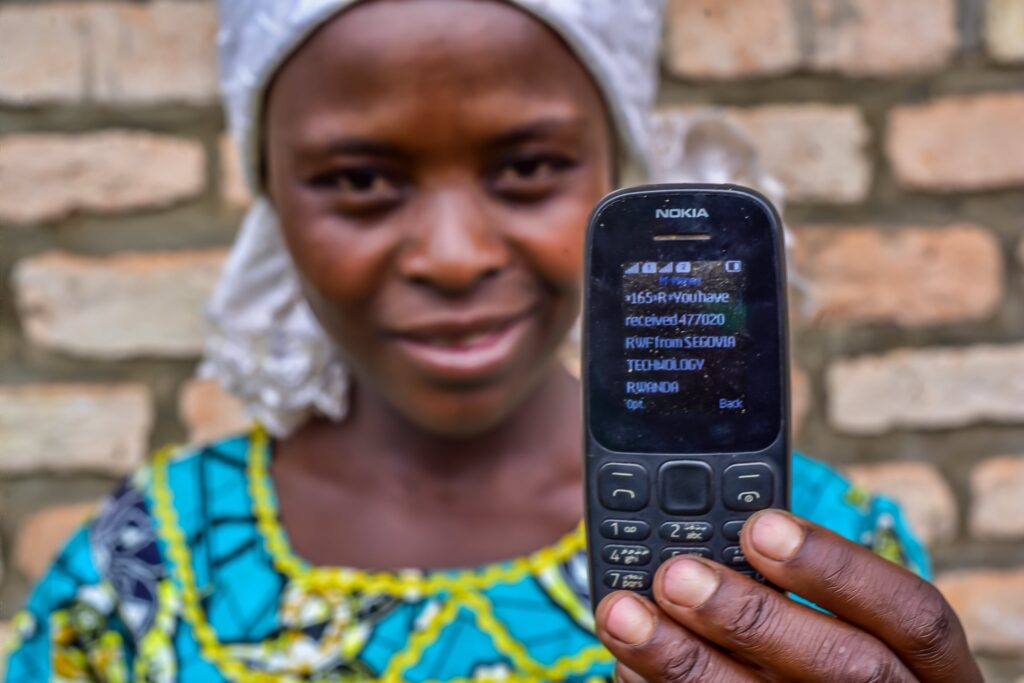
2019-2020 program in Mugombwa to test whether delivering large, one-time cash transfers accelerate refugees’ path towards self-reliance when compared to monthly subsistence payments or in-kind aid.
Transfer Size
~$720
Households Reached
2,264, including both refugees and host households
Outcomes
Cash transfers generated a wide-range of positive outcomes and immediate improvement in recipients’ lives: Post transfers i) 100% of surveyed recipients reported increases in assets, ii) 98% of surveyed recipients reported increases in income, iii) 81% of surveyed recipients reported using the transfer to pay down debt and iv) 70% of surveyed recipients reported increases in day to day consumption and spending.
Cash transfers have the potential to accelerate the path towards self-reliance: 60% of transfers were spent on long-term investments, providing a plausible path to sustainable self-reliance.
Cash transfers offer recipients the flexibility to adapt to and withstand shocks (e.g. COVID-19): Almost all refugees used part of pre-existing support (including but not limited to GiveDirectly cash transfers) as coping mechanisms to cover immediate needs resulting from the outbreak of COVID-19.
Partners
Government of Rwanda, United Nations High Commissioner for Refugees
In the News


Cash empowers refugees to transform their lives
Ayoo opened a tailoring training business
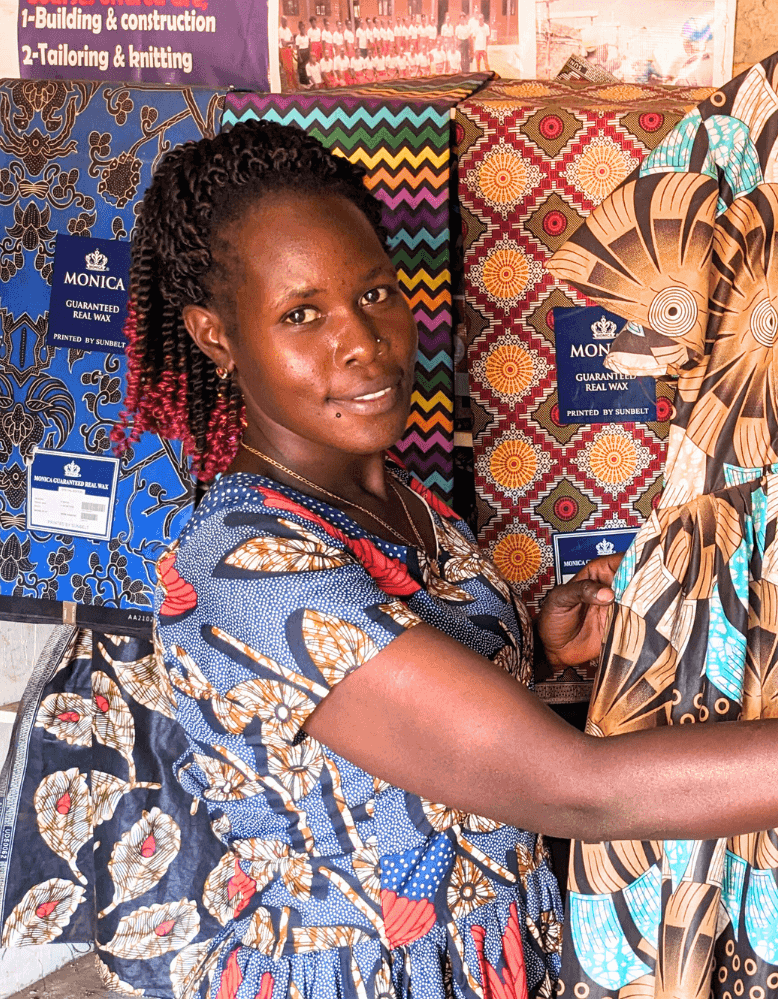
“I’m a widow staying with my 3 children in Cluster N, Kiryandongo refugee settlement. When I received my transfers from GiveDirectly, I used it for buying 2 sewing machines for $162 so it could generate for me money. With my knowledge of tailoring, I was able to start my work under someone’s veranda at Molokony trading center. I use the machines for training new learners and I’m paid $15 a month for each learner. I have so far trained 7 people. I have an average saving of $23 monthly. I’m using this money for paying my children’s school fees.”
🇺🇬 Ayoo in Uganda
Didier improved his barber shop
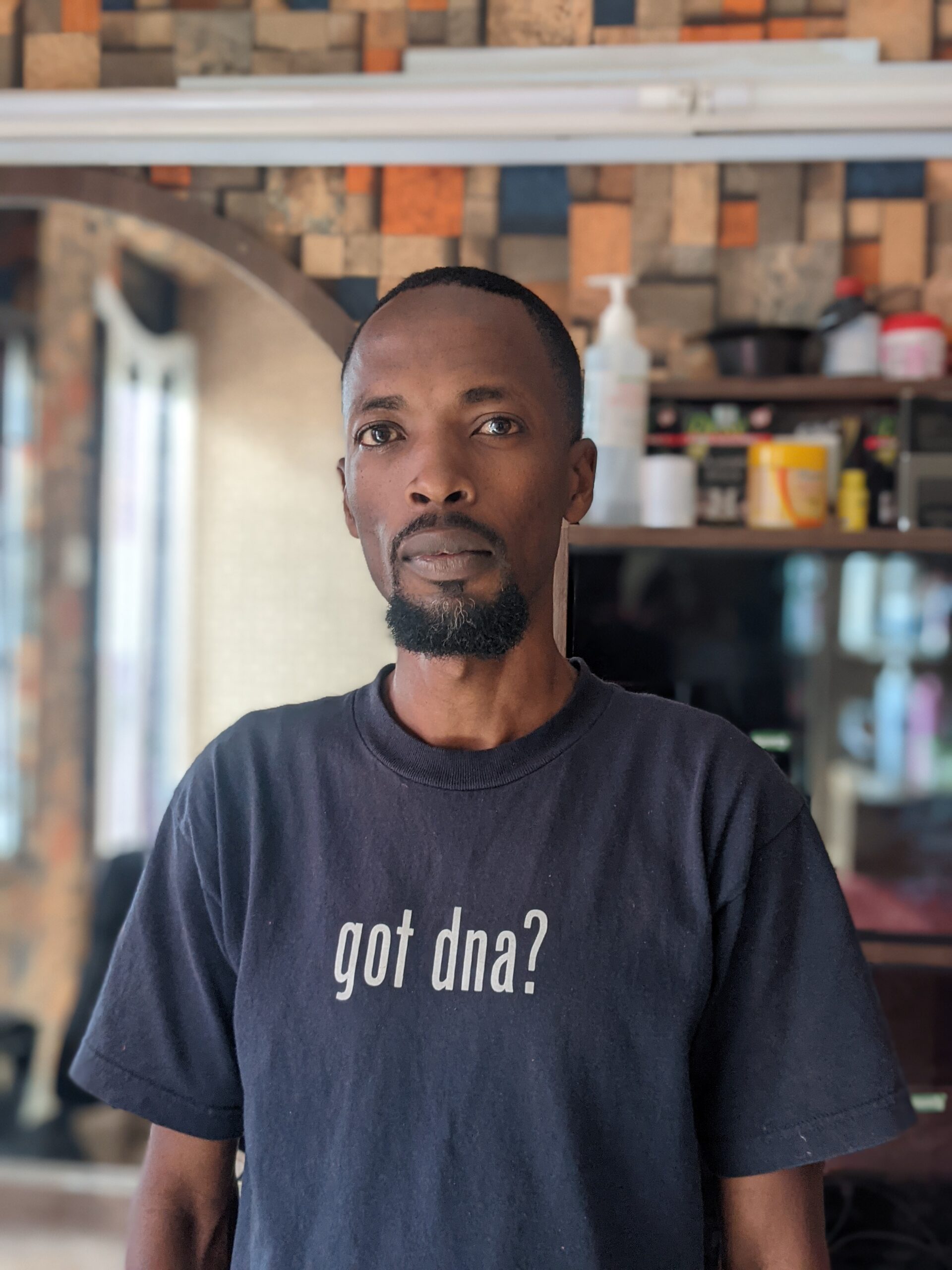
“When I arrived in Kenya from Congo as a refugee in 2008, life was a struggle. After staying for quite some time, I located a place to run a barber shop. The transfers [GiveDirectly] gave me allowed me to improve my shop. My shop is [now] thriving. I increased my service charge from $1 to $2, and my income has risen to $400 per month. I even hired another employee, paying him on a commission basis. This move has contributed to the increase in my earnings.”
🇰🇪 Didier in Kenya
Urban refugee pilots reveal that large cash transfers help refugees move beyond humanitarian aid
Recipients from our urban refugee programs in Uganda and Kenya reportedly spend their transfers in the following common ways:
| Uganda 🇺🇬 | Kenya 🇰🇪 | |
|---|---|---|
| Grow businesses % of recipients spending part of the transfers on existing or new businesses | 52% (existing business) 35% (new business) | 73% (existing business) 20% (new business) |
| Feed their families % of recipients spending part of the transfers on food | 87% | 78% |
| Repay loans % of recipients spending part of the transfers on debt repayment | 59% | 11% |
In both programs, recipients reported increased income and school attendance for children. Diving deeper into Uganda, we found the following improvements:
↑ 3x in housing security 🏠: 40% of recipients say they’re able to pay rent without difficulties 6 months post-transfers (versus 13% at baseline)
↑ 3x in food security 🌾: 75% reported that their families were able to eat 2-3 full meals in the preceding day (versus 26% at baseline)
↑ 2x in healthcare access 🩺: 74% reported receiving some or all of the healthcare they needed (versus 37% at baseline) 6 months post-transfers
Frequently Asked Questions
Who is eligible to receive funds?
Funds will be directed exclusively to recipients who are registered refugees living in an African country.
How much money will people receive?
The transfer amount varies from program to program. Emergency relief transfers are smaller ($200-$500 range), whereas resilience-building transfers are larger ($800-$2,000) and are sometimes broken down into monthly payments.
Since 2018, 75-80% of funds for our refugee programs have gone directly to recipients as cash, with the remaining 20-25% used to cover the costs of getting it there (more here).
Does giving cash to refugees cause tensions with host communities?
When GiveDirectly provides cash to refugees, we carefully consider the potential impact on host communities. Independent research on refugees in Rwanda and Uganda have shown that when cash transfers are thoughtfully implemented, they can benefit both refugees and host communities. By injecting funds into the local economy, cash transfers can increase demand for goods and services, potentially boosting local businesses and creating a positive economic ripple effect.
However, we recognize that tensions can arise if host communities perceive inequities or if the aid disrupts existing social dynamics. To mitigate these risks, we engage with both refugees and local residents to ensure transparent communication, equitable distribution, and to foster mutual understanding. As an example, 30% of the recipients in our 2024 refugee program in Nairobi are Kenyans, while the other 70% are refugees. Our goal is to support both groups and strengthen the overall community, working closely with local residents to address any concerns and adapt our programs accordingly.
What is GiveDirectly?
GiveDirectly is a nonprofit that lets donors send money directly to the world’s poorest, no strings attached. We have delivered cash aid to 2M people across 18 countries, including crises and natural disaster responses.