All posts

Summary
- 🌀 Hurricane Melissa, Jamaica’s first recorded Category 5 storm, displaced more than 275,000 people and destroyed up to 90 percent of homes in parts of St. Elizabeth Parish.
- 💸 We delivered $650 lump-sum payments to 2,500+ families in the hardest-hit communities, beginning 14 days after landfall.
- ⚡ GiveDirectly was the first organization to get cash to impacted families, and we gave familes 2-3x more cash than what similar organizations provided.
- 🚀 Speed, transfer size, and remote delivery shaped how families rebuilt and what we learned for our five-day emergency response goal.
Here’s a 30-minute summary of our response from our podcast:
Hurricane Melissa made landfall on October 28 as Jamaica’s first recorded Category 5 storm, widely described as “the storm of the century.” More than 275,000 people were displaced. In parts of Southwest Jamaica, the country’s agricultural heartland, more than 90% of homes were destroyed.
GiveDirectly deployed a rapid cash response, using digital targeting and delivery, sending ~$650 lump sums to families in the hardest-hit areas, quickly and remotely, to help them meet immediate needs and begin rebuilding.
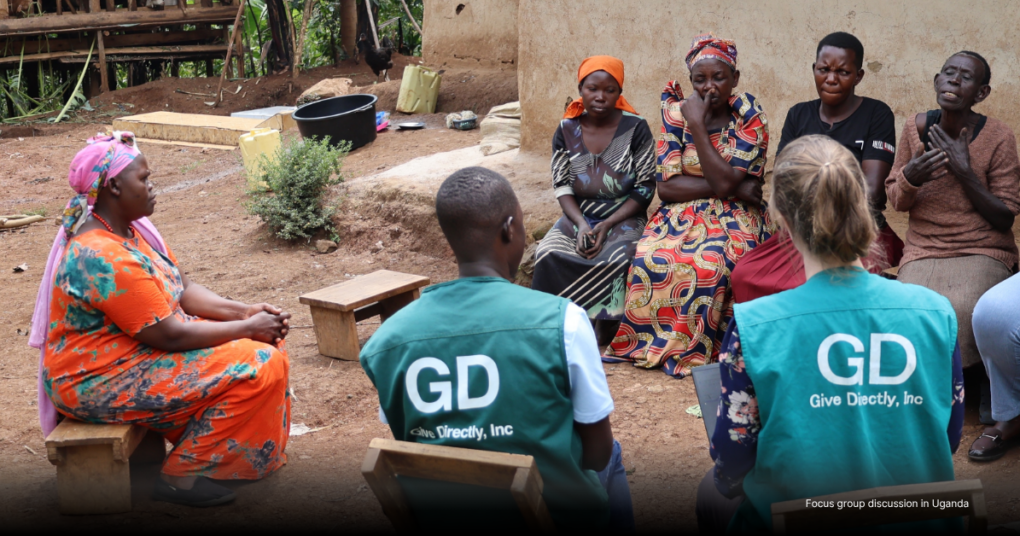
We returned this January to hear directly from recipients about how cash affected their lives, what worked well, and how we can improve future responses. We surveyed 1,000+ recipients and held focus groups and interviews across affected communities.
We used digital targeting to deliver cash to 2.5k+ families in Jamaica’s hardest-hit areas.
GiveDirectly’s approach to emergency cash is unique in the sector. We want to deliver a large one-time payment to harder-to-reach or underserved communities exceptionally fast and entirely remotely.
We did all four in Jamaica, and recipients say this approach works well for them:
💸 The payment was large enough to cover big-ticket repairs.
Each household received $650, equivalent to roughly a month of essential expenses and 2-3x more than what other organizations delivered. Delivering a single, large, unconditional payment gave recipients the flexibility to make large purchases, such as new roofs, while also covering other immediate costs.
🎯 We prioritized communities with the most damage and the least access to aid.
We worked in seven of the hardest-hit communities in St. Elizabeth Parish, consulting Google’s SKAI assessments to help us identify areas with severe storm damage. We focused on communities with high poverty and limited access to other support. For most families, cash from GiveDirectly was the only aid they received.
⚡ Cash came fast, when families needed it most. Families started receiving cash as fast as 14 days after landfall, weeks before other organizations started delivering cash. 94% of recipients said that this was just the right time. For many, savings were gone, and food and water stocks were already running low.
📲 We delivered payments remotely, making cash easy for families to access, even with damaged infrastructure.
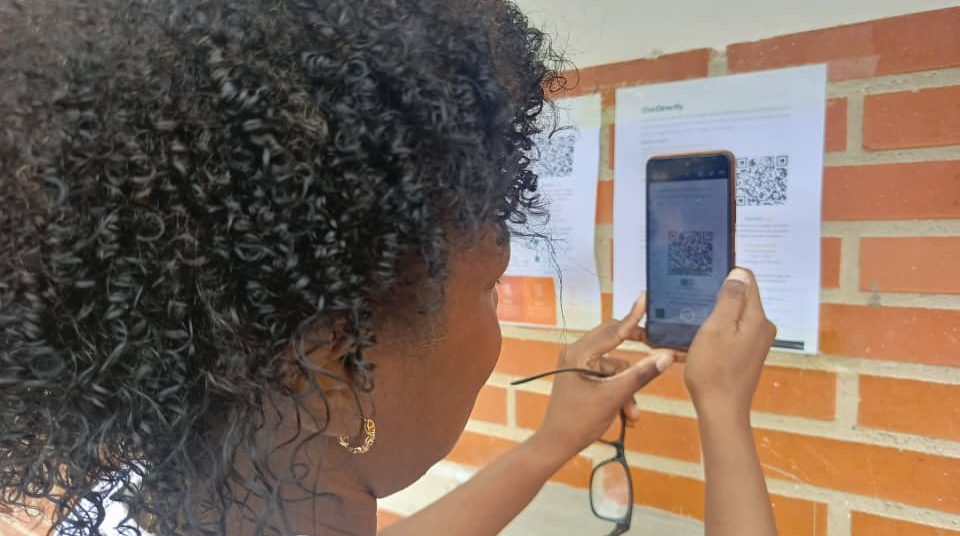
Apart from a brief initial scoping visit from our team, the program ran fully remotely. Families enrolled using a QR code or web link shared in their communities, and received collection codes by SMS or WhatsApp to withdraw funds at nearby Western Union locations.
GiveDirectly was the first to deliver cash to impacted Jamaicans
According to the Cash Working Group, GiveDirectly was the only organization delivering cash in the immediate aftermath of the storm. In our January follow-up survey, 74% of recipients said they’d received no other aid, cash or in-kind.
With first payments going out just 14 days after the hurricane made landfall, we were weeks ahead of larger aid organizations.
Fast cash jump-started recovery and restored hope
When the transfer arrived, most families had one urgent goal: get a roof back over their heads:
Once their homes were safer, families could turn to buying food, replacing lost belongings, and beginning to rebuild their lives.
With shelter and basic needs covered, many were able to focus on getting back on their feet:
- 🚜 Helped people get back to work: Most recipients (64%) said the money helped them start earning again. Shop owners restocked goods. Others replaced tools or returned to work once they had a safe place to sleep. When people weren’t able to restart work, it was usually because jobs had disappeared, crops were destroyed, or roads were still damaged, problems that cash alone can’t fix.
- ❤️🩹 Restored hope: Over 90% of recipients reported improved emotional well-being, with many citing a renewed sense of hope. At a moment when most families felt forgotten by institutions that hadn’t shown up, being seen mattered as much as the money itself.
Jamaica taught us some key lessons to carry into future responses
As we work toward our five-day emergency cash moonshot, we’re paying close attention to how timing, transfer size, and program design influence outcomes — and where we can do better:
- ⏸️ Faster isn’t always better. This response reached families two weeks after disaster struck, slower than our 5-day target. Still, 94% said the timing was just right. In the immediate aftermath, markets, especially for construction materials, weren’t functioning normally, so faster payments might not have sped up recovery.
- 💰 Payment amounts should reflect post-disaster costs. After a major storm, families face large, one-time expenses: roofing materials, labor, and replacing damaged equipment, and prices often rise. Future responses will more explicitly account for rebuilding costs and post-disaster price changes when setting transfer amounts.
- 🤝 Trust takes time we don’t always have. In a context where phone scams are common, many eligible residents initially assumed our program wasn’t real. Trust spread through word of mouth once early recipients collected their cash, but by then, some enrollment windows had already closed.
- 📵 Full digital delivery leaves some gaps. Most recipients said they knew someone they believed was eligible who didn’t receive a transfer. The most common reasons were documentation issues, limited phone access among older residents, and sign-up links that expired before people heard about the program or trusted that it was real. We’re working on ways to address all three, including clearer guidance on what documents are needed, more flexible sign-up windows, and better support for recipients who might find the online process harder to navigate.
Families in low- and lower-middle-income countries are around five times more likely to be displaced by extreme weather disasters than those in high-income countries. The lessons from Jamaica are helping us build a response model that works anywhere: fast, flexible, and built around what families actually need.
This response was supported by Google.org, the Conrad Hilton Foundation, the IKEA Foundation, Quadrature Climate Foundation, the Swiss Agency for Development and Cooperation, the ELMA Relief Foundation, and 1,500 other donors.