All posts

Summary
- ⚡ GiveDirectly was the first NGO to ever deliver unconditional cash via mobile money in the Philippines.
- 💸 We delivered ~$235 — a month’s wages for a daily worker — to 524 households in one of the hardest-hit communities 36 days after the earthquake struck.
- 🏠 Cash helped families meet urgent needs: most used cash to buy food and get a roof back over their heads, and 100% said they felt more financially secure.
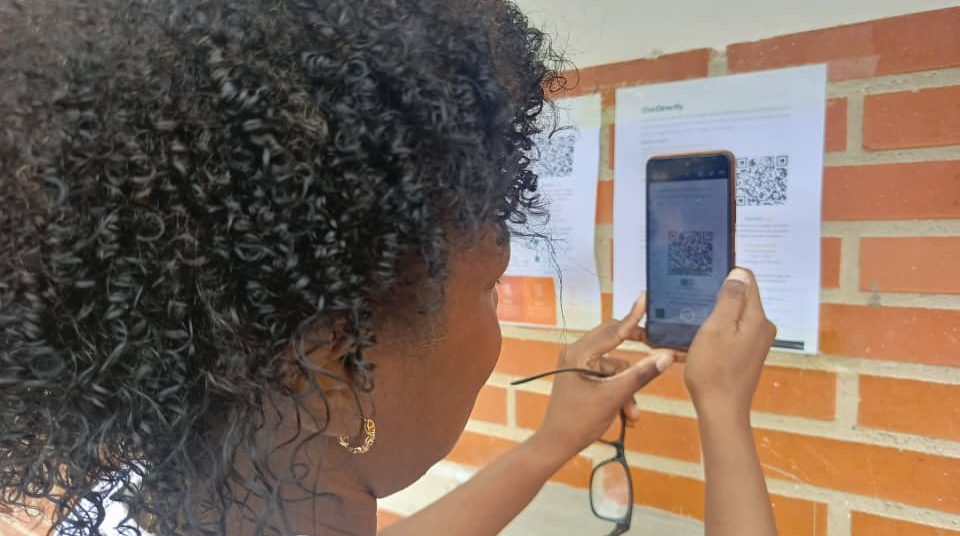
- 📲 Families enrolled by scanning a QR code or clicking a link in their community chat groups, and funds arrived directly to GCash mobile money accounts after remote verification, no in-person visits required.
- 🚀 Our model tested new remote, digital targeting and cash delivery tools that are already being applied to other emergency responses.
A powerful 6.9 magnitude earthquake devastated Northern Cebu
On September 30, 2025, a magnitude 6.9 earthquake struck off the coast of Bogo City in Cebu Province, displacing approximately 90,000 people, damaging or destroying more than 195,000 homes and impacting~ 753,000 people. It was followed by 12,000 aftershocks.
For families already living in damaged homes, the aftershocks weren’t just a physical risk, they made it psychologically difficult to return indoors, pushing tens of thousands into tents and makeshift shelters.
Over the course of GiveDirectly’s response, the communities we reached experienced five more shocks: three typhoons and two major earthquakes. The Philippines is highly exposed to natural disasters and faced a slightly above-average typhoon season in 2025.
We used mobile money to deliver emergency cash to 500+ families in Northern Cebu — a first for the Philippines
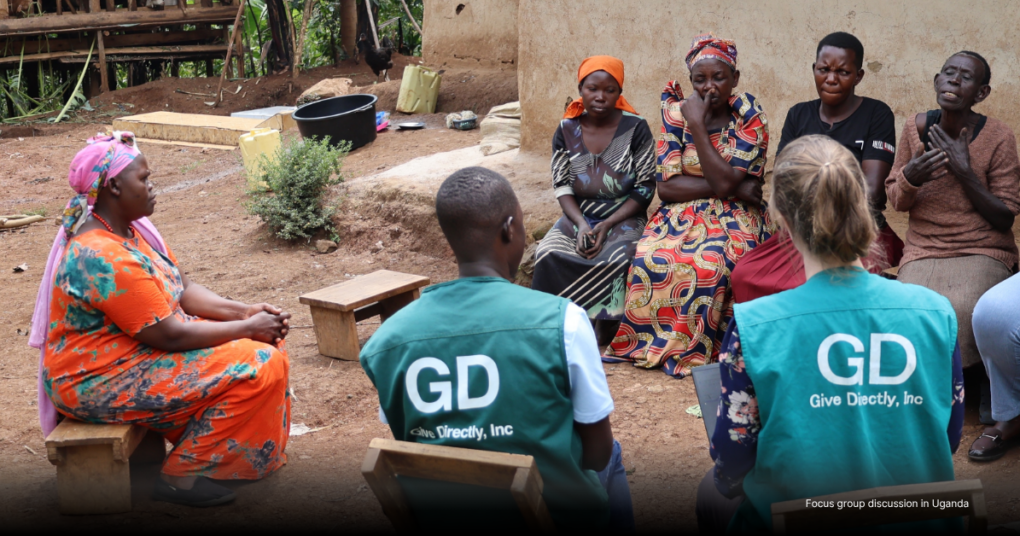
We set up a fully-remote program leveraging mobile access to enroll people from the community and send cash that would help people meet their immediate needs and promote early recovery.
GiveDirectly delivered mobile payments to 524 households, 87% of the community, entirely remotely, with no standing operations in the Philippines. To our knowledge, we were the first NGO ever to use mobile money for unconditional emergency cash in the country.1 With more support, we could easily have scaled this to other communities with little added operational cost.
💸 Transfer size: Each household received ~$235, equivalent to one month of daily wages, to which we added 20% to cover immediate needs and another 5% to cover any fees recipients might face to withdraw their money.2
🎯 Targeting: We introduced QR codes and shareable links to invite people to register for the program remotely, skipping slow and lengthy door-to-door surveys, and piloted “geo-tagging” to check whether they were located in the community or not. Geo-tagging is a process where we check location against specific locations digitally; we asked recipients to share their geo-location with us and then accurately identified 97% of participants located in the community.
⚡ Speed: Families received first payments 36 days after the earthquake, and the median time between enrollment and payment was 7 days. This was about 3x faster than traditional humanitarian responses (100–120+ days after disasters) and significantly faster than existing social protection systems in the region, which often take ~2 months to reach people.
📲 Remote delivery: Enrollment, verification, and payment all happened over the phone. Families could contact GiveDirectly through a dedicated Facebook page (their preferred channel), use their community chat groups, or a telephone helpline. For those without their own mobile money account, we set up a trustee system which allowed a trusted family member to receive funds on their behalf. 96% of participants completed the registration survey in less than an hour with 50% able to register in <10 minutes. Families described the process as fast, less complicated, and more accessible.
💡Testing new ideas: GiveDirectly was the first NGO to use mobile money to deliver unconditional cash in the context of disaster response in the Philippines. By tapping into GCash, which holds an estimated 89% of the Philippine mobile money market, we accessed a payment infrastructure already widely used by Filipino families. We also introduced new tools including geo-tagging, Facebook Messenger integration, and web-based self-enrollment that have since been applied to subsequent responses.
🔎 Reached underserved families: We delivered cash in San Remigio, a hard-hit, high-poverty area where 95% of homes were damaged. About 3 in 5 people sheltered in makeshift tents, and many had their livelihoods disrupted. For most families, GiveDirectly cash was the only support they received, with 51% reporting no other aid beyond limited in-kind donations.
With cash in hand, families secured shelter and food first
When families received their transfers, food and shelter were the top priorities. Nine in ten recipients (90%) reported using their money on food while three in four recipients (76%) used the funds for shelter repairs or temporary housing. Buying things for the home, furniture, and more were next on the list – a possible sign of returning to normalcy after the earthquake.
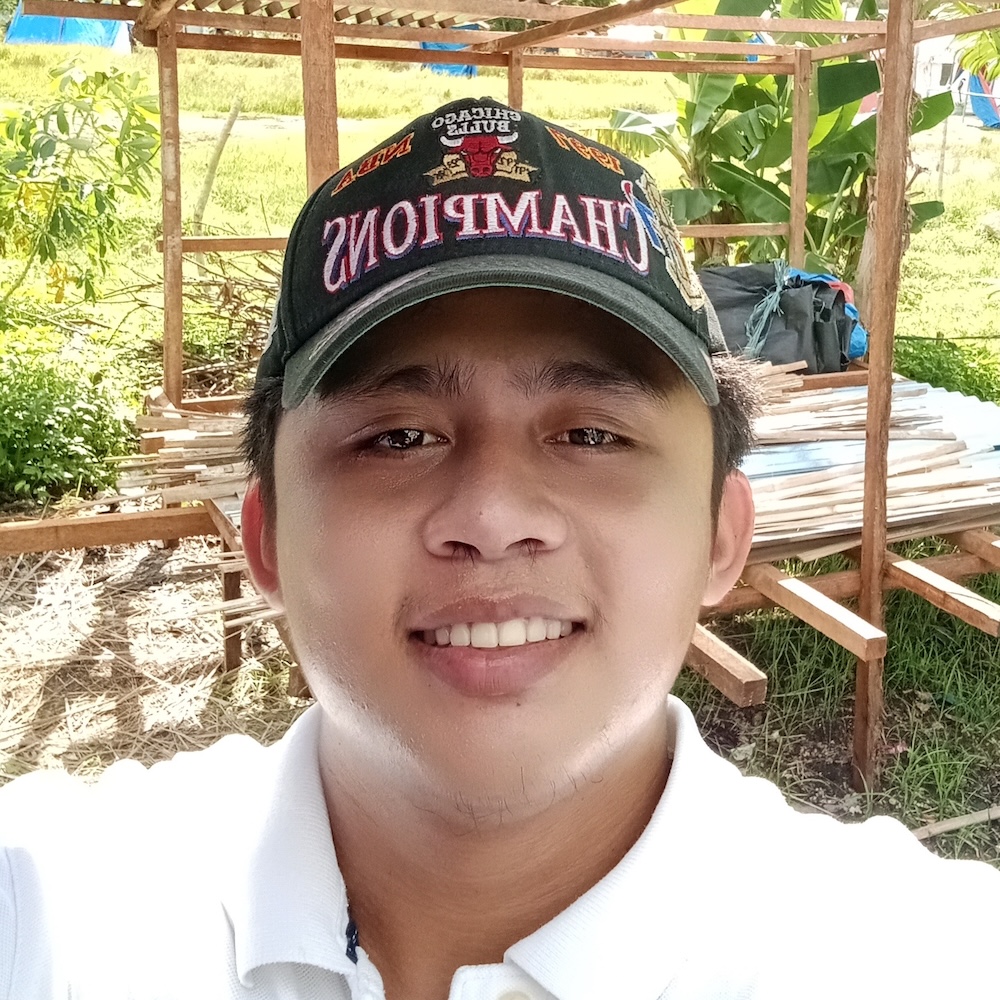
- Families felt financially secure again: 100% of recipients reported increased financial security after receiving cash — a result that reflects both the practical value of the transfer and what recipients consistently described as the dignity of being seen and supported.
- Cash unlocked choices: Multiple recipients said they preferred cash over food or vouchers precisely because it let them decide what they needed most. As one recipient put it: “With cash we could buy exactly what was urgent for us.”
- Women led the response: Despite initial assumptions that women might face barriers to mobile financial inclusion, 58% of recipients were women, and women were the majority account holders where people entrusted someone else to receive cash on their behalf.
Juvelin’s story highlights the flexibility of cash
Juvelin Altaya Anciano lives in San Remigio Heights with her husband Vincent and their three children, ages 19, 18, and 8. The earthquake damaged their home and forced the family into a tent. Vincent lost his job. Like most families in the community, they had no safety net to draw on.
“My biggest concern after the earthquake were the changes to our lives. Our house was damaged and now my family is living in a tent. My husband lost his job.”
When her transfer arrived, Juvelin didn’t wait. She used part of the money to buy cement and sand to start repairing the damaged wall of their home, while covering the family’s daily needs in the meantime.
“When I received the 13,700.00 payment I was happy and grateful. It really helps us a lot, especially with our daily needs… Thank you so much for helping me. God bless you all and take care always.”
The Philippines taught us key lessons to carry into future responses
As we work toward our five-day emergency cash moonshot, we’re paying close attention to how timing, targeting, and program design influence outcomes and where we can do better:
⚡ Speed is built before a crisis, not during it. 36 days to get cash out was good, but we can do better. Upfront investments in clear frameworks, regulatory readiness, and pre-positioned systems can dramatically accelerate delivery and make high-speed, high-quality responses far more achievable by reducing dependencies and bottlenecks.
👤 Target individuals, not just heads of households. We consistently heard from the community that older persons wouldn’t have access to mobile accounts, so we set up a system that enabled someone else (a “trustee”) to receive payments with their consent. We assumed this would be a small workaround, but nearly 56% of recipients used it. The reason: by defaulting to household heads as the primary recipient, we often registered someone less likely to have phone or mobile money access than another household member, such as a spouse or younger adult. Targeting individuals directly — particularly women — would better match registration to who actually uses financial services and reduce the need for complicated trustee arrangements.
📣 Keep things easy, build trust faster. In a context where scams are common, easily identifiable and centralized communication on channels that people are familiar with combined with buy-in from community representatives is the best way to build trust fast. Easy forms, clear instructions, and using familiar tools like Facebook Messenger made it much easier for people to sign up and trust the program. 91% of participants found it “very easy” to sign up. People preferred direct, real-time communication over hotlines, and working through trusted community members helped build confidence quickly, leading to 87% of the community enrolling.
This was GiveDirectly’s first emergency cash response in the Philippines and the first time that mobile money was used by an NGO to deliver unconditional cash there. The tools and playbooks we developed here, geo-tagged targeting, remote self-enrollment, mobile money integration, have already been applied to our response in Jamaica, and will continue to shape how we build toward a five-day global emergency cash system.
This is what the future of emergency response looks like
This response wasn’t just a first for the Philippines, it’s a proof point for a fundamentally different model of humanitarian aid. With no prior operations in the country, GiveDirectly was able to stand up a fully-remote cash program, enroll hundreds of families, and deliver support in just over a month. That’s a sharp departure from traditional humanitarian systems, which often take months to mobilize and deliver assistance–delays that can leave families without support when they need it most.
This response proves that the infrastructure to deliver fast, emergency cash globally already exists. The same model used in Cebu has already been adapted to other responses, from Jamaica to conflict settings like eastern DRC. With the right systems in place, humanitarian aid doesn’t have to be slow or fail to reach where it’s needed most.
The lessons we learned in Northern Cebu directly shape how we respond today. We’re now applying them to the 2026 Venezuela earthquakes, sending emergency cash to families hit by two of the strongest quakes the country has seen in over a century.
We’re building toward a world where families can receive meaningful support within days of a crisis, no matter where they are.
This response was funded entirely by donors giving specifically to GiveDirectly’s emergency cash work. Website donations default to our poverty relief work in Africa.
- Mobile money has been used by the Government of the Philippines to provide assistance and piloted by WFP for a “Cash for Work” program, but it has not been widely adopted or used by NGOs in the Philippines, particularly with regard to unconditional cash (meaning that people can use the cash as they want without restrictions). ↩︎
- GiveDirectly prefers to do larger lump sum payments due to their positive, longer-term effects, but decided to align with the local regulations on Emergency Cash Transfers and the wider humanitarian community to reduce tensions between communities and possible feelings of unfairness among recipients. ↩︎