Why fund it
300M+ people need support after conflicts, climate shocks, and other crises each year, and fewer than 1 in 3 get any. By 2030, the majority of the world’s extreme poor will be in regions affected by shocks. Yet most of the legacy aid system ships goods through intermediaries, so aid often arrives weeks or months late, after families have skipped meals, sold assets, or taken on debt that could push them deeper into poverty.
In contrast, GiveDirectly’s median emergency cash response time in 2025 was 13.5 days. Yet cash only makes up ~20% of humanitarian aid—despite being faster to deliver, ~37% more efficient than food aid, and preferred by recipients.
Our moonshot is to deliver emergency cash to crisis survivors within days, anywhere in the world. We use satellite imagery, mobile data, machine learning models and digital payments to target and pay people remotely, and have responded to 12 crises across 8 countries in the last year.
Responses have ranged from floods, hurricanes, and wildfires to refugees fleeing conflict and economic shocks—the flexibility of unconditional cash makes it suitable for crises of all kinds. The bottleneck we’re solving for is infrastructure to find, verify, and pay people fast, in some of the most challenging and remote contexts on earth.
Over the next five years, we plan to respond to 100+ crises; open the system to government and aid agencies as a white-label platform, so they can run their own cash responses; and use research, benchmarks, and advocacy to move more of the ~$33B/year in institutional humanitarian funding toward fast, cost-effective cash.
Recent responses
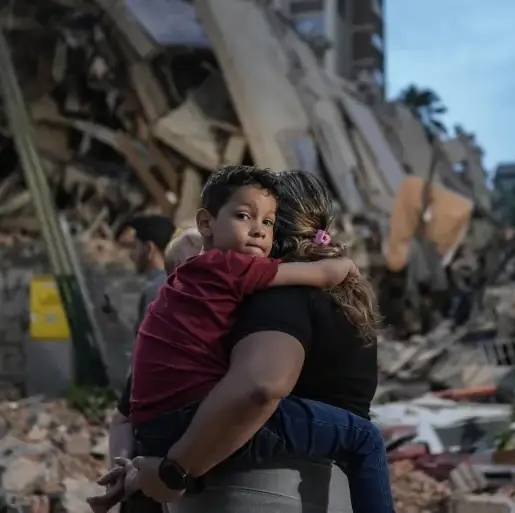
- Earthquakes, Venezuela (2026) $340 each to 3,765 people, with first payments 21 days after the quakes in a country where we had never worked. Once enrolled, recipients were paid in a median of 4 days. See the response
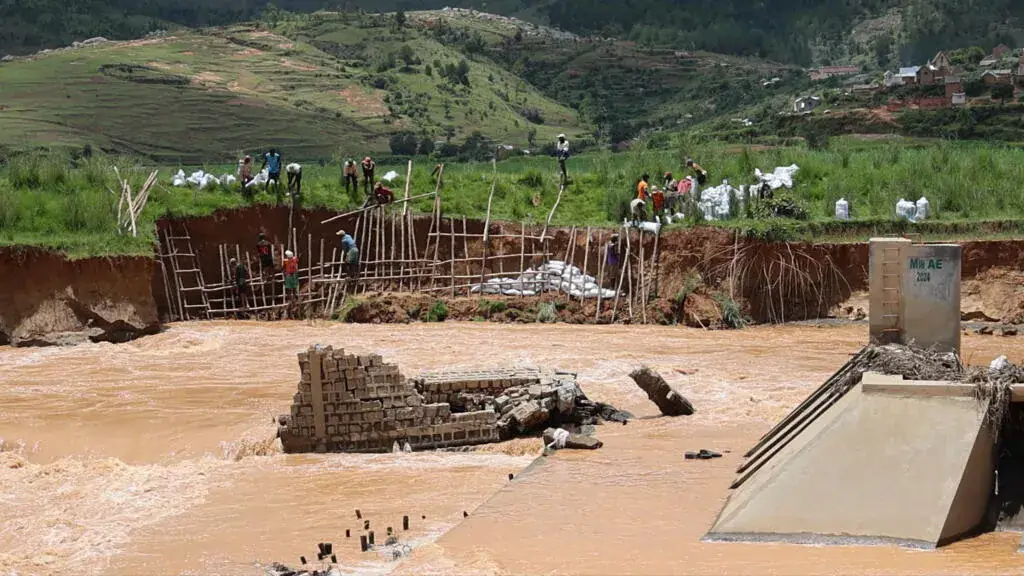
- Cyclone Fytia, Madagascar (2026) First cash delivered 18 days after landfall, with no prior GiveDirectly presence in the country. 2,108 families reached. See the response
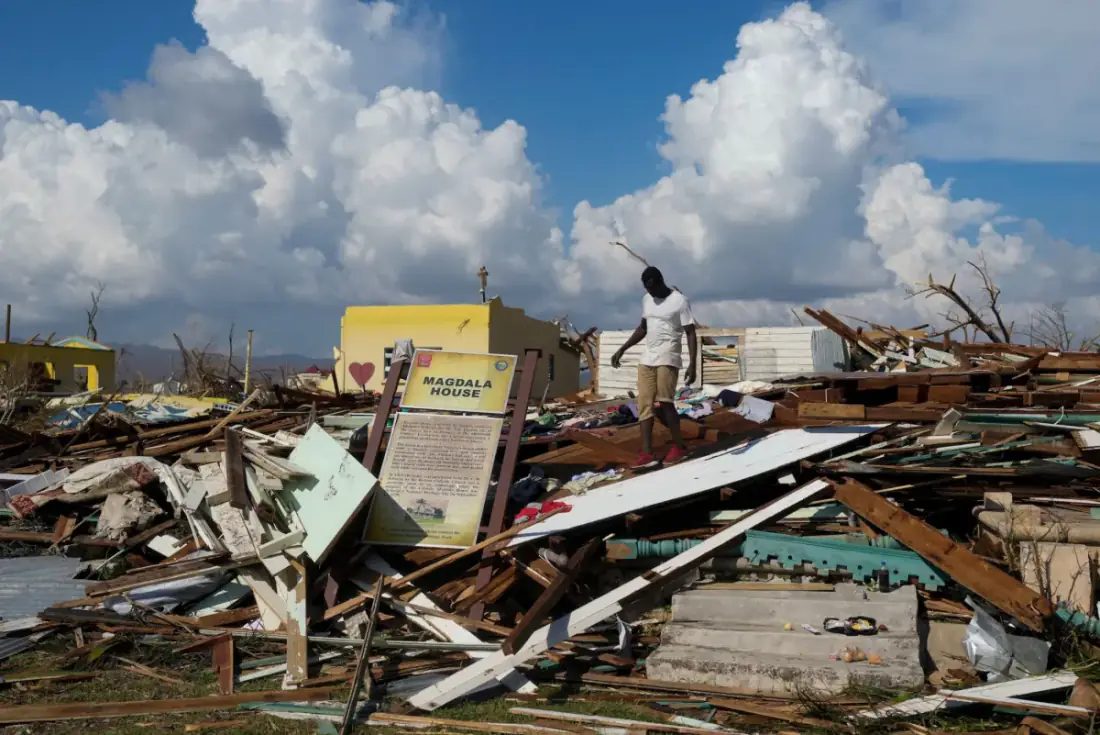
- Hurricane Melissa, Jamaica (2025) $650 each to 2,500+ families, starting 14 days after landfall, weeks before other organizations delivering cash. See the response
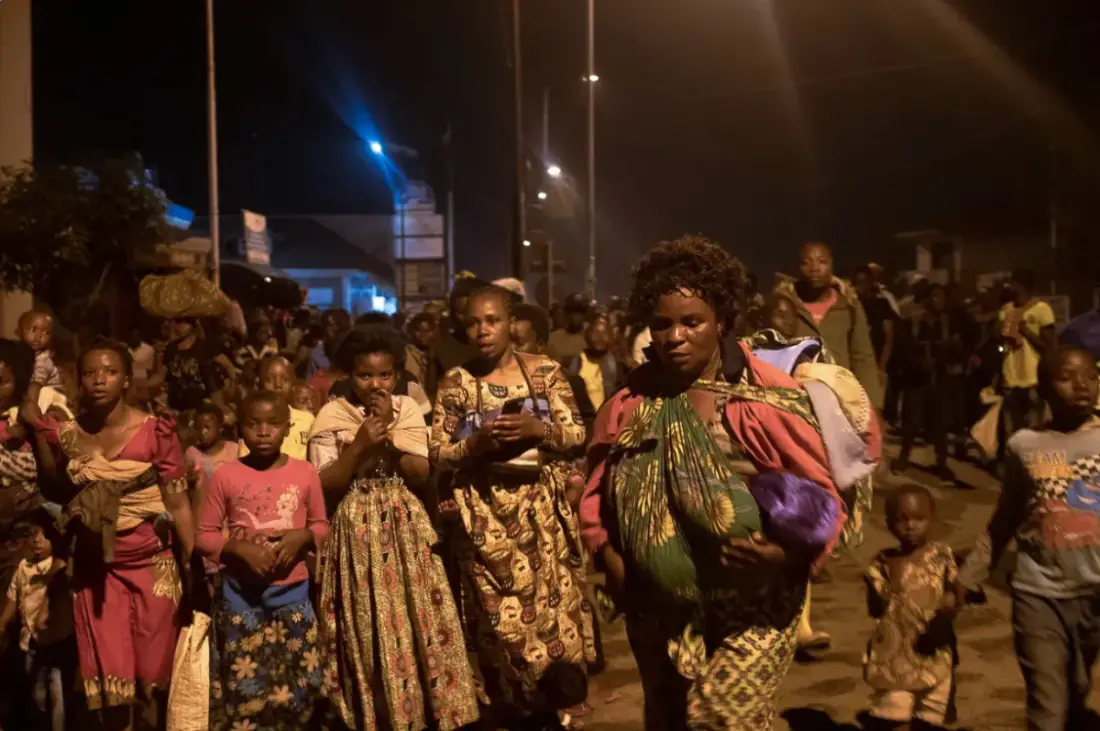
- DRC conflict displacement (2025) First payments reached families 6 days after they were displaced, and now often arrive within 72 hours. 72% said it was the first help they received. See the response
Current priorities
Examples of where new funding could go. These represent our capacity, not a forecast.
- $5Mseeds cash for 5+ crisis responses in the highest-poverty, climate-vulnerable countries like Madagascar
- $18Mpre-positions the core technology, regulatory approvals, and payment rails across priority countries
- $60Mfunds the next 6-12 months of responses, to help reach ~100K+ additional crisis survivors
- $400M+anchors a “system change fund” with pooled $ that any responder—GiveDirectly included—can access by meeting transparent standards for speed, cost, and outcomes
Room for more funding:
- Next 12 months:
- $117M+
- Next 3 years:
- $376M+
How we allocate
Gifts to this fund go only to emergency cash: transfers to crisis survivors, the core technology and team that make fast delivery possible, and research and policy work to improve the cost-effectiveness of the humanitarian sector. Crises are unpredictable, so spending is spiky: supporting this fund ensures that survivors don’t have to wait for our fundraising.
We decide where to respond by weighing three things:
- Poverty and severity: crises hitting people who were already poor, where fast cash can prevent families skipping meals or selling assets to survive.
- Gaps in other aid: places where survivors are unlikely to get timely help any other way.
- Ability to deliver well: we only respond where we can find, verify, and pay people safely and to a consistently high standard. Where we can’t yet, we hold off.
Between crises, we invest in technology, regulatory approvals, and payment partners across the world’s poorest, most crisis-prone countries. That’s what lets us pay in days rather than weeks.
We aim to publish biannual reports on how donations to this fund were spent, the impacts on crisis survivors, and our plans ahead.
Risks and uncertainties
Getting cash to crisis survivors within days, anywhere, has major unknowns:
- Speed in new places. We’ve paid people within days where systems were already in place, as in eastern DRC. In countries where we’d never worked, it took longer: 14 days in Jamaica and 21 in Venezuela. Registration, payment partners, and government approvals take weeks regardless of funding. That’s why we set these up in high-risk countries before crises hit, and use each new response to open pathways for the next one.
- Reaching everyone. Remote delivery can miss people without phones, ID, connectivity, or digital literacy. In most responses we aim to enroll every household in the hardest-hit communities, add voice and multilingual enrollment, and work with governments and other responders to reach people we miss. We track who was reached, who wasn’t, and why.
- Fraud and safety. Digital payments avoid some risks of traditional aid, like dangerous trips to distribution points, but create others, like payment fraud or coercion. Our overall fraud loss rate was 0.27% in 2025, well below industry benchmarks. As we scale, we’re growing our risk and safeguarding team and building AI-enabled identity and transaction checks.
- Hard contexts. Sanctions, government restrictions, and volatile currencies can slow or block cash. Some barriers may take years to resolve. We check whether local markets can absorb cash before launch, and adjust transfer size, timing, or payment method (in Venezuela, we used stablecoins). Where we can’t deliver safely and to a high standard, we wait or don’t respond.
- Thinner evidence. Cash in crises is less studied than cash for long-term poverty, so our confidence in impact per dollar is lower here than for Global Poverty. Expanding the evidence base on crisis cash is a key part of this project: Every response will generate data, supplemented by longitudinal studies and RCTs where feasible, to answer practical questions about speed, transfer size, and longer-term outcomes.
Crisis cash also isn’t a replacement for essential services: in some crises, people also need things markets can’t supply quickly, like medical care or clean water.