All posts

GiveDirectly’s work is rooted in integrity and focused on safety. We deliver unconditional transfers to people in poverty while managing the risks this creates, including fraud, abuse, and safety threats. Our code of conduct and values, along with national laws, guide staff conduct and set clear standards.
We continuously improve safeguards to protect both recipients and staff. Which is why we’re sharing our risk & ethics report summary for 2025. Here is 2024’s report.
Fraud: below target but two programs designs carried higher risk than expected
We define fraud loss (or ‘leakage’) as not just fraudulent enrollment or diversion of money before it reaches recipients, but also bribery or theft that occurs after a recipient receives their funds. Many organizations stop counting once a benefit reaches its intended recipient. We don’t, because it incentivizes us to run the safest and most secure programs we reasonably can.
In 2025, we delivered $146m to 439k recipients across 10 countries. Known fraud losses totaled 0.27%, up from 0.19% in 2024 — below our <0.5% target and well below ACFE (5%) and UK government (0.5–5%) benchmarks.
Two programs showed how reducing direct contact with recipients can create fraud risk that needs to be mitigated in novel ways:
- DRC: Remote targeting and payment methods produced a 2.98% leakage rate. We’ve redesigned the next iteration to delay the payments by 30 minutes to prevent mobile money agent fraud and increased verification measures to ensure the correct recipients are receiving funds. Though we are still evaluating results, we have seen these tactics reduce the leakage rate due to both theft and bribes.
- Malawi: A “one-touch” enrollment model saw the fraudulent enrollment rate spike to 9.8% before additional verification brought it back to 0.8%.
We’re now building stronger fraud risk assessments into any proposal that reduces direct recipient contact. Our independent internal audit team directly followed up with 17.3% of all recipients to confirm safe receipt and investigated over 22,000 fraud flags – the vast majority of which didn’t result in confirmed losses.
Scams: GiveDirectly impersonation continued
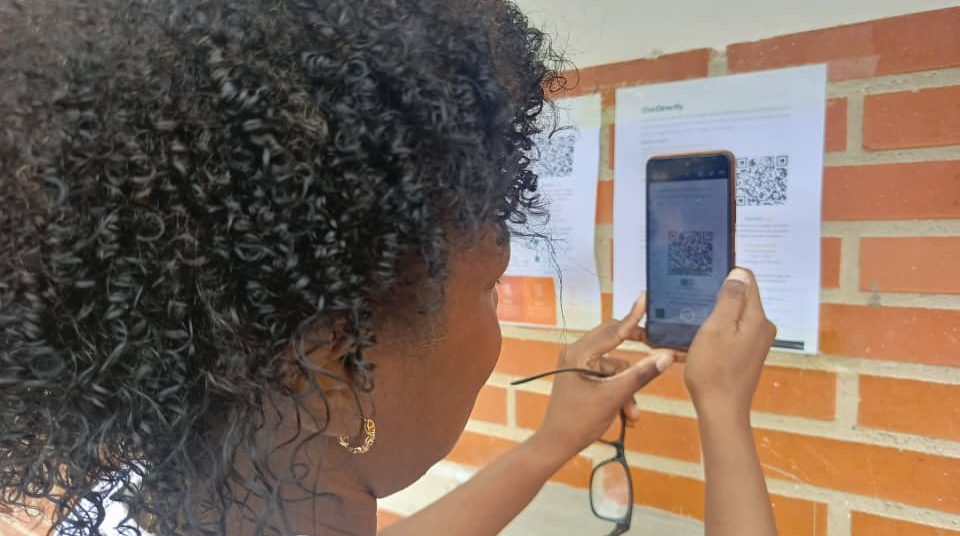
In 2025, we received approximately 985 reports of scams, up from 400+ in 2024. Around 95% were WhatsApp-based, concentrated in Kenya and Uganda. These scams typically involve individuals impersonating GiveDirectly staff to extract personal details and money from unsuspecting people. We responded by:
- Sending bulk SMS alerts to affected communities as reports emerged
- Running field-based awareness sessions
- Getting confirmed scammer accounts blocked across WhatsApp and Facebook
Safeguarding: preventing and responding to abuse
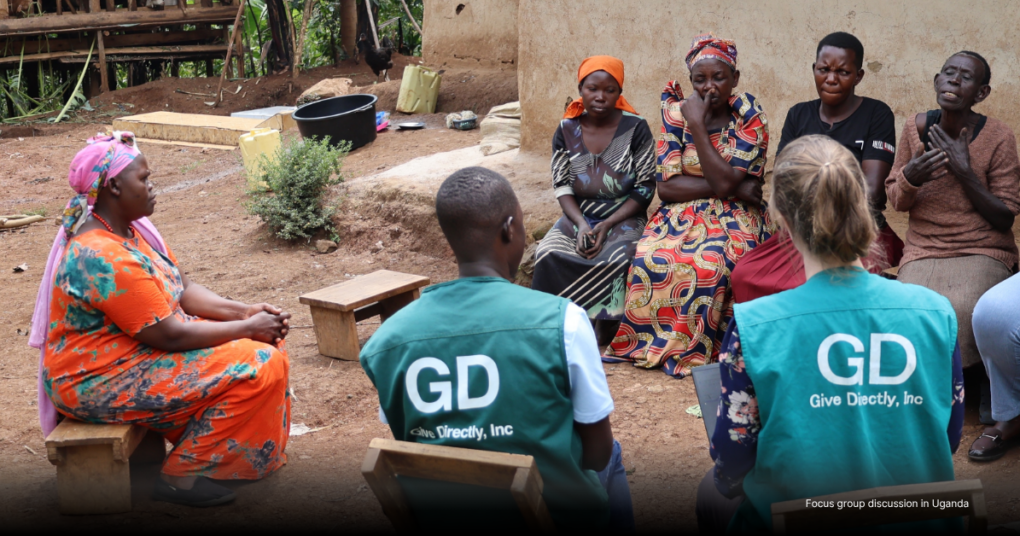
We have zero-tolerance for inaction in regards to the prevention, reporting or response to abuse. In 2025, we investigated every report linked to GiveDirectly.
We recorded 4 safeguarding-related matters per 1,000 recipients in 2025 (1,772 cases across 439k recipients paid), down from 6 per 1,000 in 2024 (1,291 cases across 212k recipients), with the rise in absolute numbers driven by program expansion and strong reporting systems, not a proportional increase in incidents.
74% of cases involved household conflict — verbal or physical disputes between household members. Some context:
- Many of these cases have no direct connection to our programs, as household conflict is prevalent globally. We record and respond to all of it regardless.
- Cash transfers do create some conflict in individual households — disagreements over how to spend money, or one partner trying to control access to funds — and we see that spike predictably around enrollment and payment periods.
- However, the research is clear that across households, cash transfers reduce conflict on the whole.
GiveDirectly occasionally works with local organizations to deliver our programs. One case in 2025 directly strengthened how we manage safeguarding across the organizations we work with:
- Concerns raised by recipients about a local partner led to a formal investigation. We found 5 staff at a partner organization had engaged in sexual harassment, financial exploitation, and/or intimidation causing emotional distress and/or financial hardship to 9 recipients.
- All funds were recovered and repaid, and those affected received follow-up support. All implicated partner staff were dismissed and the partnership was ended.
- This case is now directly shaping how we assess and monitor partners, with stronger agreement requirements, clearer escalation obligations, and regular safeguarding check-ins throughout the life of a partnership.
Overall, 77% of safeguarding matters closed within 30 days, short of our 90% target. We’re investing in a new case management platform to improve this.
Internal culture and ethics
Our commitment to safety starts with our staff. In 2025:
- Across our 8 mandatory risk training modules, 93% of GiveDirectly’s 800+ staff completed their required training, with an average comprehension rate of 88%.
- We received 35 reports of partner and staff policy violations, including inappropriate workplace behavior and fraud. Of the 21 that went to formal investigation, 10 resulted in disciplinary action (warnings, suspensions, or terminations).
- 70% of concerns came through direct channels like managers or safeguarding focal points — a sign of a reporting culture, but also a signal that anonymous channels are underused. We’re upgrading to a more accessible, mobile-friendly platform with multilingual support to change that.
Safety in high-risk settings
In 2025, our teams navigated significant challenges across four countries:
- Active fighting in eastern DRC forced a temporary suspension and evacuation of international staff in January. We resumed in February under significantly adjusted operating conditions.
- Insurgent attacks in northern Mozambique prompted temporary suspensions and staff relocations.
- Emergency teams responded to an earthquake in the Philippines and a hurricane in Jamaica.
Across all regions, no staff were harmed.
Where we’ve committed to do better in 2026
- Data quality: Inconsistent case categorization limits our ability to understand what we’re seeing. A new case management platform is a priority.
- Faster case closure: We closed 77% for safeguarding cases and 87% for fraud cases within 30 days — both below our 90% target.
- Smarter fraud responses: We’ve improved how we distinguish between people attempting to outright game the system and those eligible recipients who are simply trying to access their transfer ahead of schedule, allowing us to respond more proportionately to each scenario. We’ll expand this distinction in practice in 2026.
We know this work is never finished. Every system we build to protect our recipients is tested daily by fraudsters, scammers, and the real limitations of operating in fragile contexts. But we’re proud of our team’s progress and grateful to the donors and partners who make this work possible.
For those with a close interest in our operating model, read our full 2025 Risk & Ethics Report →