All posts

Summary
- 📊 A new independent evaluation of GiveDirectly’s AI-enabled emergency cash program in the DRC found it was fast, accurate, and effective
- ⏱️ Payments reached families as fast as 6 days after they had been displaced, and over half were paid the day after they signed up
- 🔎 The program reached families with little or no other support: 72% said GiveDirectly cash was the first help they received
- 🏠 Getting cash sooner led to better outcomes: children stayed in school, and months later families had better shelter, felt safer, and could better afford healthcare
- 📱 Results prove that fully remote aid can work in active conflict, reaching hard-to-reach people with speed and without putting staff or recipients at risk
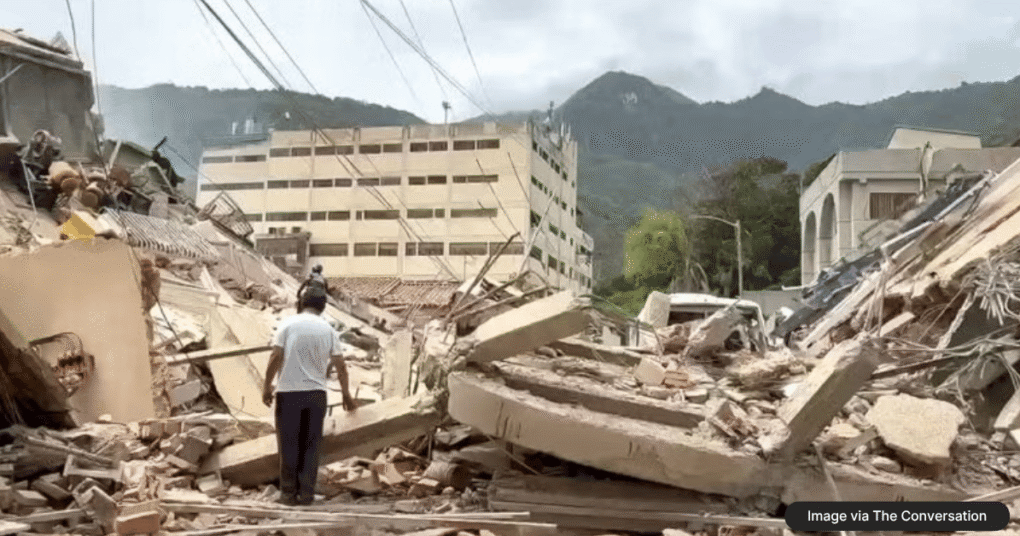
In early 2025, violence escalated in eastern DRC, displacing hundreds of thousands of people. GiveDirectly responded by delivering emergency cash to thousands of families with no in-person contact.
A new independent evaluation by the American Institutes for Research found that the response was fast, accurate, and effective. This was our first time testing MobileAid, our remote emergency cash model, in active conflict. Results prove that fully remote cash aid can reach families in days, even in the world’s hardest-to-reach places.
Of note: this program was meant to be funded by USAID’s Bureau for Humanitarian Assistance. After funding was terminated in early 2025, GiveDirectly donors filled the gap to keep the program running. This evaluation covered the initial pilot phase, but the program has since expanded and continues to deliver cash to people affected by the ongoing crisis.
GiveDirectly’s remote cash model reached underserved families quickly and accurately
Independent research found GiveDirectly’s remote cash model was fast, accurate, and reached families others missed:
- ⚡Fast delivery: Families were invited to enroll within 5 days of displacement, and most (53%) received cash within 24 hours of signing up. The fastest payments arrived just 6 days after families were forced from their homes.
- 🎯 High targeting accuracy: 91% of recipients reported recent displacement, and ~3 in 4 reported displacement dates within a month of the model’s estimate– far more precise than typical poverty-based targeting (45–63%).
- 🔎 Reached underserved families: 72% of recipients said this was the first help they received, and in qualitative interviews, many said it was the only support. This reflects a broader aid gap– a recent World Bank survey found that only 1 in 3 displaced families in the region receive any aid at all.
- 💸 Large transfer size: Each person received $300, enough for 2 months of basic expenses and up to 12x larger than other cash programs in the region. Researchers found that more cash led to less hunger, less stress, and more savings.
- 📲 Fully remote delivery: Recipients were invited to sign up via text and received funds via mobile money, allowing safe, discreet access to cash and avoiding any additional risk to recipients or staff.
Cash helped families meet urgent survival needs and rebuild on their own terms
Recipients preferred cash because it allowed them to prioritize their own needs, privately and without exposing them to theft or pressure from others.
That flexibility showed up in how families used the cash–covering essentials like food, clothing, shelter, and medical care, then beginning to rebuild by paying off debt, renting land, or buying seeds and supplies to earn again.
Faster cash boosted recovery up to six months later
Not everyone was paid at the same time–about 60% of recipients received cash within two weeks of signing up, while others waited longer due to verification delays. This made it possible to compare what changed when cash arrived sooner.
Families who received cash earlier spent more in those first critical weeks and were less likely to pull children out of school. Six months later, they were more likely to have adequate shelter, feel safer, and afford healthcare.
More cash meant less hunger, less stress, and more savings
Because payments were still ongoing at the time of the survey, some families had received the full $300, while others had only received part ($100-$150). This allowed researchers to see what changed with more cash.
They found that more cash led to better outcomes: families who received the full amount were less likely to experience hunger, more likely to have savings, and reported lower stress.
Early challenges helped us build a faster, more reliable emergency cash model
Delivering fast cash in an unstable environment required adapting in real time. Early challenges helped improve the model:
- ⏱️ Verification delays slowed some payments. Families without SIM cards or mobile accounts in their own names often waited weeks to have their identities confirmed before receiving cash. We’ve since simplified verification to reduce delays and reach more people faster.
- 📵 Full digital delivery leaves some gaps. Fully remote delivery depends on phone access and mobile money, which some people can’t easily use. We’re working to close these gaps, including through partnerships that expand access.
- 🌐 Infrastructure gaps limited accessibility. Unreliable connectivity, limited electricity, and scarce cash-out points made it harder for some recipients to access funds. We’re adjusting how we time and sequence payments to account for these constraints.
- 🤝 Trust takes time we don’t always have. some recipients were initially unsure the program was legitimate. We’re improving how we communicate and build trust before crises strike so people feel confident enrolling.
Even with these challenges, GiveDirectly cash still reached people faster than the broader aid system, which can take up to 12 weeks. Even among families who received later payments, 67% said it was still the first help they received
This evaluation captured an early version of the model. We’re already faster– payments now often arrive within 72 hours of displacement, and sometimes within just 24.
We’re proving that a faster, safer, and more dignified model for emergency aid is already here
Most humanitarian aid still takes weeks or months to arrive, but it doesn’t have to. We’re building the infrastructure to reach families anywhere in crisis within just five days, and this research shows that it’s possible, even in active conflict.This program is ongoing as violence in the DRC continues to uproot families. With more funding, we can reach more of them, right now.
As crises become more frequent and aid budgets tighten, the ability to reach families quickly, remotely, and without putting anyone in harm’s way will become more of a necessity than an option. Lessons from DRC and other countries prove that the systems to do it already exist– and with the resources to scale them, we can soon make our global 5-day moonshot a reality.