Why fund it
For donors who want to support their national or local community, well designed cash transfers can be a strong option – it quickly and efficiently supports vulnerable Americans and could significantly improve the effectiveness of state and federal social safety nets.
One important note: program design really matters; in contrast to low-income countries, in the U.S. a number of cash programs have shown mixed results. GiveDirectly only scales programs that have a strong evidence base (like Rx Kids).
Our U.S. programs serve the most vulnerable, who are disproportionately missed or underserved by government benefits (4 in 10 Americans can’t afford to cover a $400 emergency expense). We aim to generate rigorous evidence and proven program designs that improve the coverage and efficacy of the U.S. social safety net, using philanthropic funding to catalyze government funding.
Recent efforts
Our U.S. programs are funded by restricted donations rather than unrestricted or flexible donations.
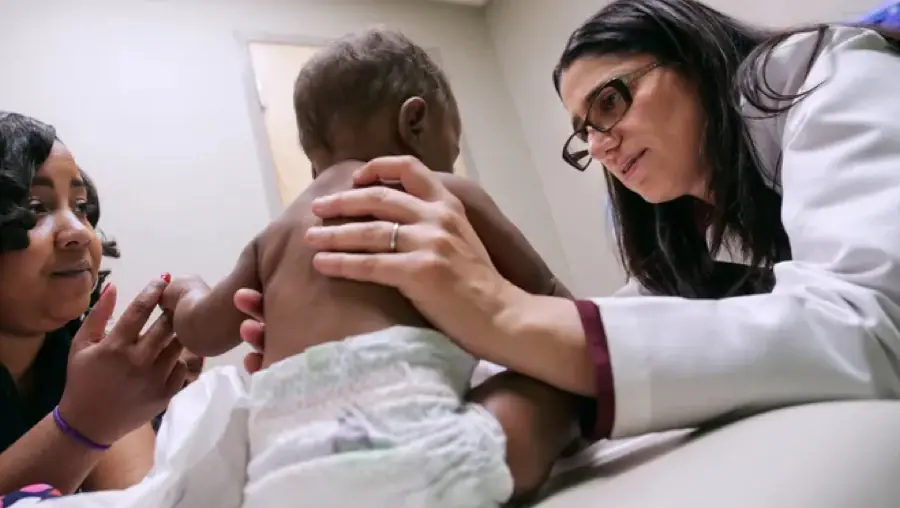
- Moms & babies in Michigan Our largest U.S. program, Rx Kids, gives moms in participating communities cash during pregnancy and their baby’s first 6–12 months. In Michigan it’s been linked to 18% fewer preterm births and 29% fewer NICU admissions, and it now reaches 1 in 4 babies statewide after a $270M state investment. Learn more (opens in a new tab)
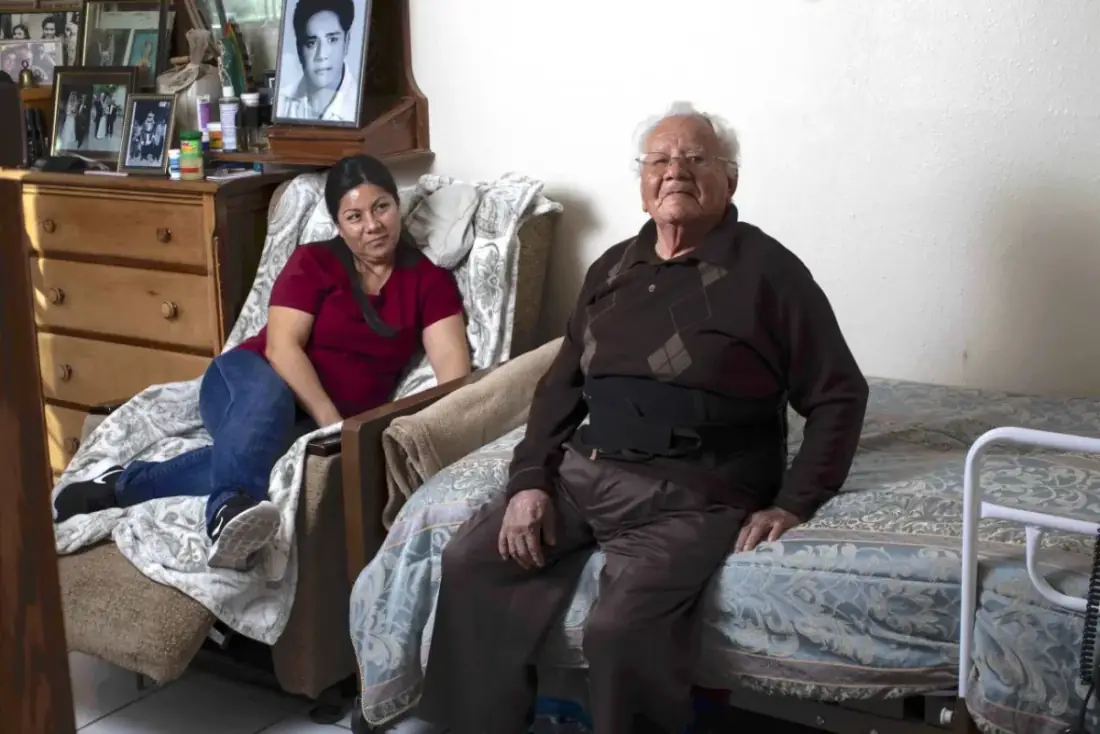
- Seniors in San Joaquin, CA $1,000 payments for 12 months to keep low-income seniors housed. State-funded, starting January 2027, with a randomized study by Penn researchers. Learn more
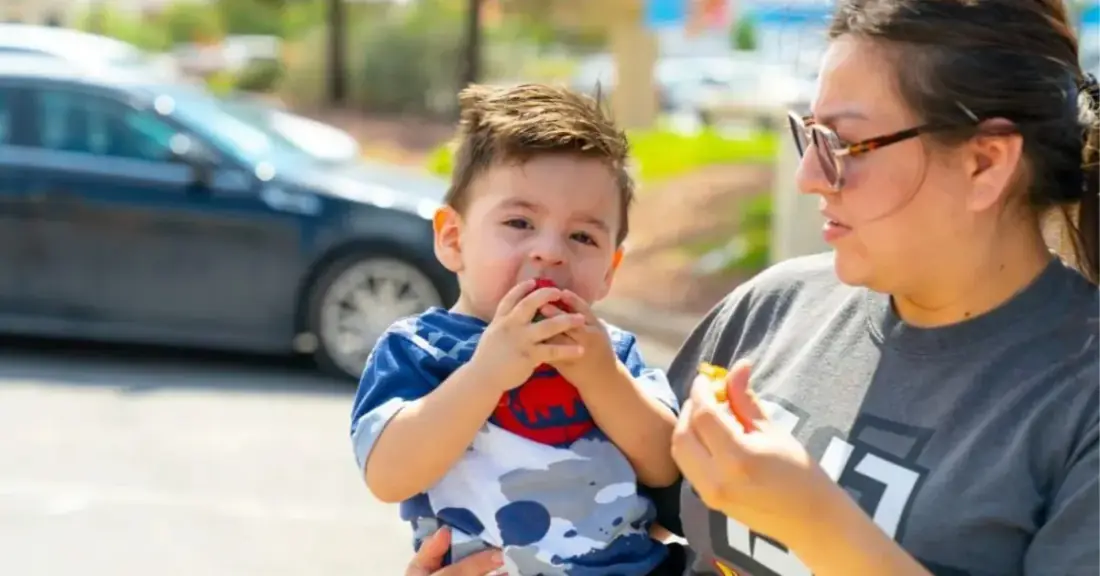
- SNAP shutdown (2025) $50 each to 238,153 families, nearly $12M in under two weeks. Using real-time benefit data from our partner Propel, first payments reached families within one to two days of a missed deposit, our fastest and largest U.S. response yet. We ran this program again in November 2026, distributing $100 payments to more than 11,000 families. Learn more
Current priorities
Examples of where new funding could go. These represent our capacity, not a forecast.
- $2Mseeds a response fund for emergencies, allowing us to launch responses even faster
- $8Mscales our senior housing program to a second site in California to build the case for statewide funding
- $15M+funds a pilot to explore the benefits of cash interventions, like wage insurance, for displaced workers
- $80Mscales Rx Kids across Ohio’s lowest-income communities alongside committed government funding, starting in Cleveland—where infant mortality is more than double the state average
Room for more funding:
- Next 12 months:
- $559M+
- Next 3 years:
- $2B+
How we allocate
Gifts to this fund go only to U.S. programs. We back programs that meet three tests:
- Strong evidence: designs with proven results, like Rx Kids, since U.S. cash results are more mixed.
- Reach: they serve people government benefits typically miss or underserve, like disaster survivors.
- Path to public funding: a credible route to scaling support through government.
The pattern is to start with philanthropic dollars, use local results to build political support, then shift to majority public funding, as we did with Rx Kids in Michigan. We pick new sites across different political contexts so no program depends on one state’s budget. We publish biannual reports on spend, impact, and plans ahead.
Risks and uncertainties
Cash in the U.S. works differently than in low-income countries:
- A dollar goes less far. Living costs are higher in the U.S., so a given dollar does less for an American family than one in sub-Saharan Africa. U.S. programs make up for this with leverage: philanthropic dollars that prove a program works can unlock much larger public budgets, as Michigan’s $270M investment in Rx Kids did.
- Design matters. Cash in the U.S. has strong results when it’s well designed. Rx Kids has been linked to 18% fewer preterm births and 29% fewer NICU admissions. Other designs have shown mixed results, so we scale only what works and test new ideas, like prevention-focused support for seniors, before expanding them.
- Public funding isn’t guaranteed. Our model depends on governments taking on the cost, and that depends on politics. We launch in states with different political contexts, so no program rests on one state’s budget.