All posts

Summary
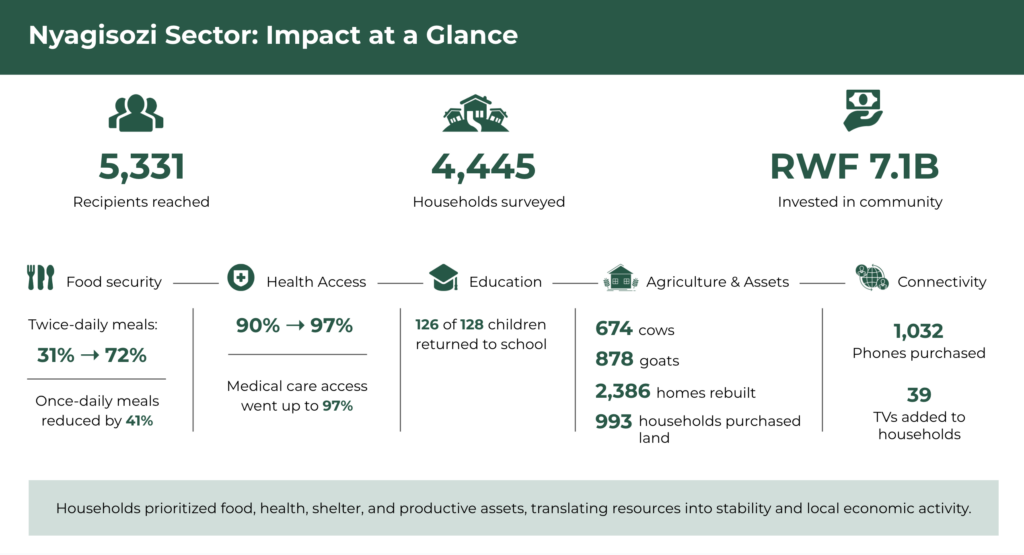
💸 With support from the Qatar Fund for Development (QFFD), GiveDirectly delivered cash transfers to 5,331 recipients across three cells in Nyagisozi Sector, Southern Rwanda.
📈 Endline data shows clear improvements in food security, housing, health access, education, and asset ownership just months after transfers reached households.
🏠 Families used cash to invest in livestock, land, safer homes, and small businesses, turning short-term support into longer-term stability.
Gloria Ngabire has been with GiveDirectly for over seven years and has served as Rwanda Country Director since 2022. Under her leadership, GiveDirectly has supported nearly 250,000 households in Rwanda since the organization began operations in the country.
I have worked with GiveDirectly for seven years now. Over that time, I have visited communities in different contexts and countries, and I have listened to many stories about what cash can make possible. I have heard about families eating more regularly, children returning to school, and homes becoming safer. These outcomes matter deeply, and they are never small.
But Nyagisozi reminded me how cash changes the future.
When I visited after families had received their cash transfers, what stood out to me was not just what people had bought, but how they spoke about themselves and their futures. Conversations were no longer centered on getting through the next day. People talked about plans. They talked about investments they had chosen deliberately, about homes they were improving step by step, and about the kind of lives they were building for their children.
There was a clear shift from surviving to planning. The cash had not only changed material conditions, but it had also changed what felt possible.
This blog shares what changed in Nyagisozi after families received cash support from GiveDirectly, made possible through our partnership with the Qatar Fund for Development, and what we learned from the program’s endline data.
Before cash, many families were surviving, not planning
Nyagisozi is a rural sector in Nyanza District, Southern Rwanda. Before the program began, our team conducted a baseline census across three cells: Kirambi, Kabuga, and Kabirizi. The census covered 4,445 households.
The data reflected what families also told us directly during community meetings and household visits.
- 67% of households ate only once a day
- Most homes were not disaster-resistant, with mud walls, weak roofs, or dirt floors
- Electricity access was low, and communication tools were limited
- Few households had savings or access to credit
Families were working hard, primarily through farming or casual labor. But even small shocks, such as illness, school fees, or a poor harvest, could quickly push households into crisis. For many, thinking beyond immediate survival was not realistic.
Cash reached over 5,300 recipients across Nyagisozi
With QFFD’s support, GiveDirectly delivered ~$1,100 unconditional cash transfers to 5,331 recipients, including household heads, young adults, and teenage mothers, totaling over 7.1 billion Rwandan francs (over $4.8 USD) given directly across three cells.
Our goal was simple. Give people the resources to decide for themselves what would most improve their lives.
What happened next was measurable and fast.
🥘 Food security improved dramatically
One of the clearest changes we saw was in how often families were eating.
Before transfers, only 31% of households ate two meals a day, while over 68% ate once a day or less.
After transfers, 72% of households were eating two meals a day, and the share of households eating only once a day dropped from 68% to 27%.
These changes happened within months. Families told us they were able to buy food more regularly, diversify their diets, and avoid skipping meals during difficult weeks. The data confirms what people shared with us on the ground: cash made an immediate difference to nutrition and daily well-being.
❤️🩹 Health access became more reliable
Cash also helped families protect themselves against health shocks.
- Community-based health insurance enrollment rose from about 90% to 97%
- Access to medical care reached 97–99% across all three cells
Families used part of their transfers to pay insurance premiums, clear medical debts, and seek care earlier instead of waiting until illness became severe. This reduced both financial stress and health risks, particularly for households with young children, elderly members, or chronic health conditions.
🛖 Safer homes became a priority
Housing was one of the largest areas of investment.
After receiving cash:
- 150 new houses were constructed
- 103 in Kirambi
- 10 in Kabuga
- 37 in Kabirizi
- 2,386 households rehabilitated their homes, strengthening roofs, walls, or floors
Families replaced leaking roofs with iron sheets, plastered walls with cement, and cemented floors. These changes reduced exposure to rain, cold, and flooding, and made homes safer and more dignified places to live.
🐐 Families invested in livestock, land, and livelihoods
Many households chose to invest in assets that could generate income over time.
Across Nyagisozi, families used cash to purchase:
- 674 cows
- 878 goats
- 464 chickens
- 214 rabbits
- New land for cultivation (993 households)
These investments strengthened farming, improved access to manure and milk, and created opportunities to sell livestock or products in local markets. Across all three cells, the pattern was consistent and reflected long-term thinking rather than short-term coping.
📚 Children returned to school, and youth gained options
Education outcomes also improved quickly.
- 126 of 128 children who had dropped out of school returned
- Young adults reported less pressure to leave school or migrate in search of work
By easing immediate financial stress, cash helped households prioritize school fees, supplies, and stability at home. This allowed children to return to class and youth to invest in skills or productive activities.
💡 Small businesses started to emerge
Direct cash transfers from GiveDirectly in Nyagisozi Sector have enabled households to start new businesses, particularly in small-scale trade, agriculture, transport, and mobile money services, creating fresh income opportunities and strengthening local economic activity.
Life after cash: Nyagisozi families rewrite their stories
The data shows clear trends, and the stories we heard on the ground brought those trends to life.
Saphira Nyirahabimana
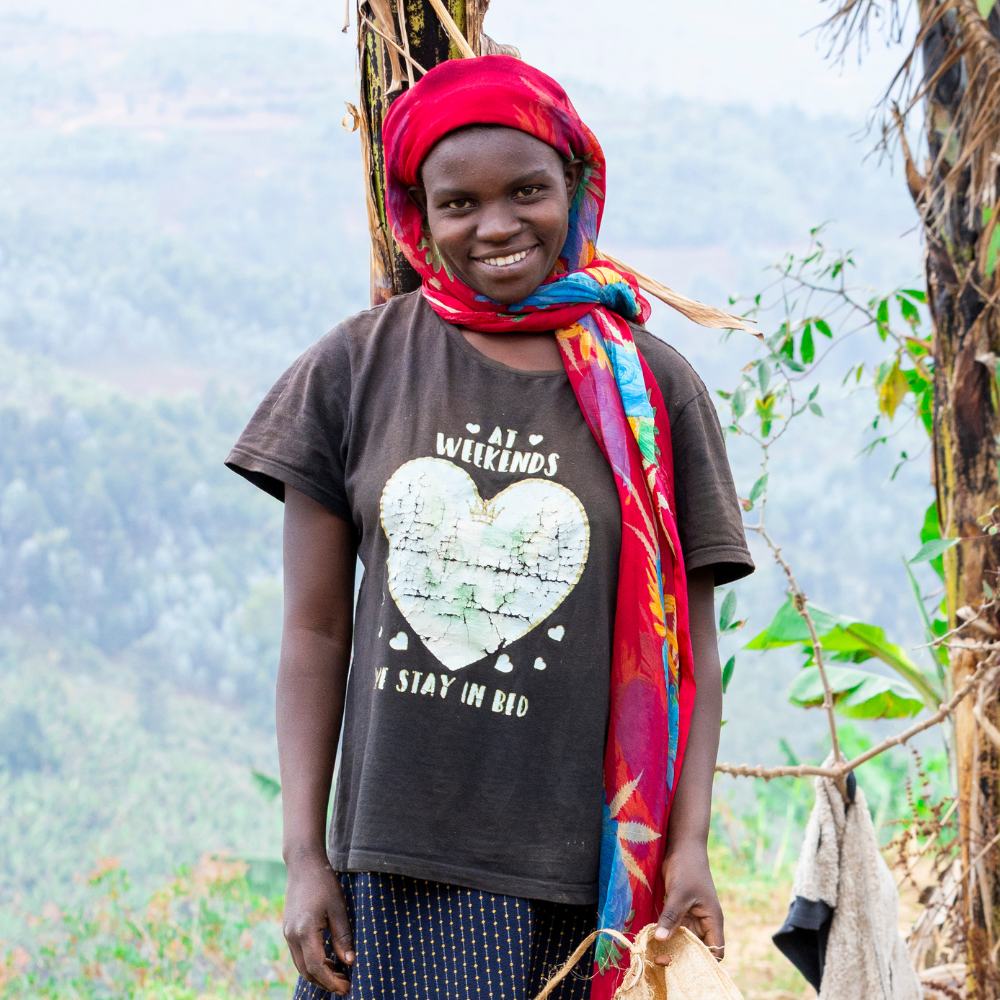
“As a single mother, I used to earn less than two dollars a day. With the cash, I bought goats and a calf. They will reproduce, and I plan to use that income to buy land and build a home for my son.”
Josephine Mukandekeye
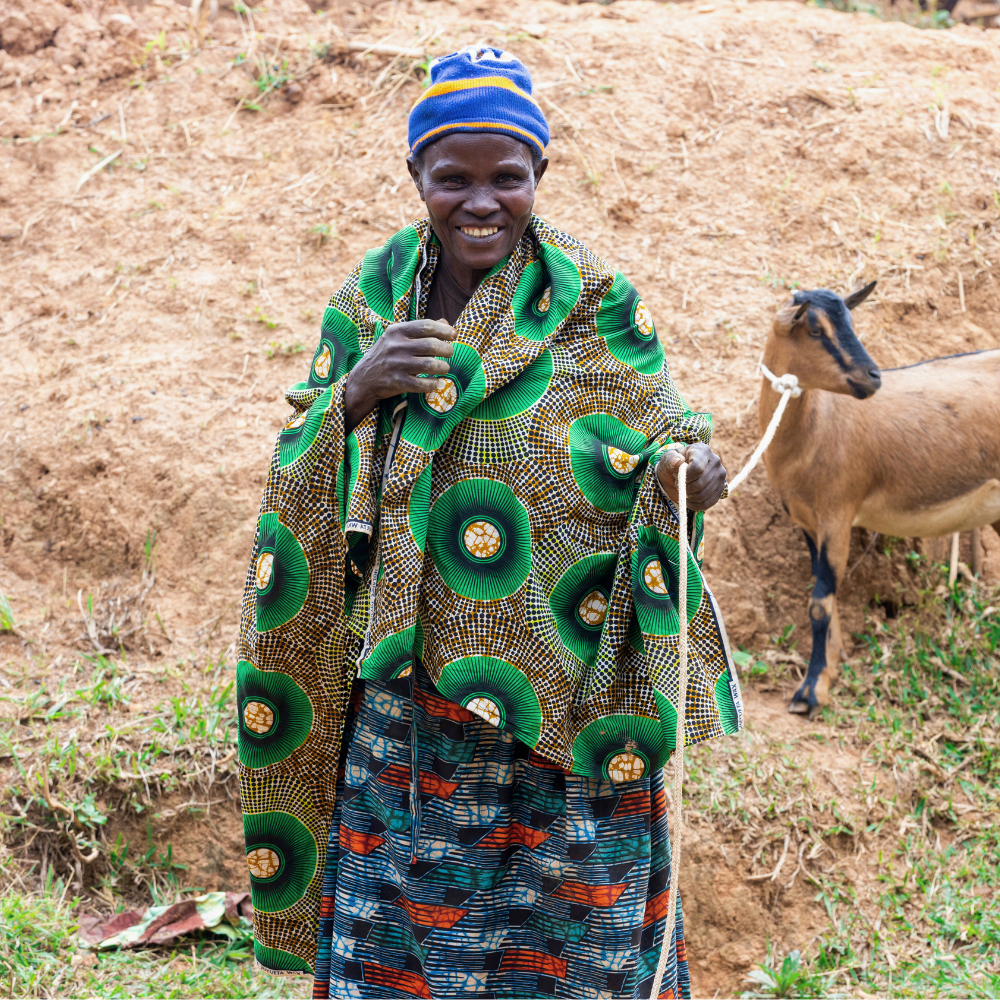
“My house had no doors and no electricity. The rain damaged the walls. I used the cash to plaster the walls, add doors, and install electricity. My home is safer now.”
Eliazar Birihanze
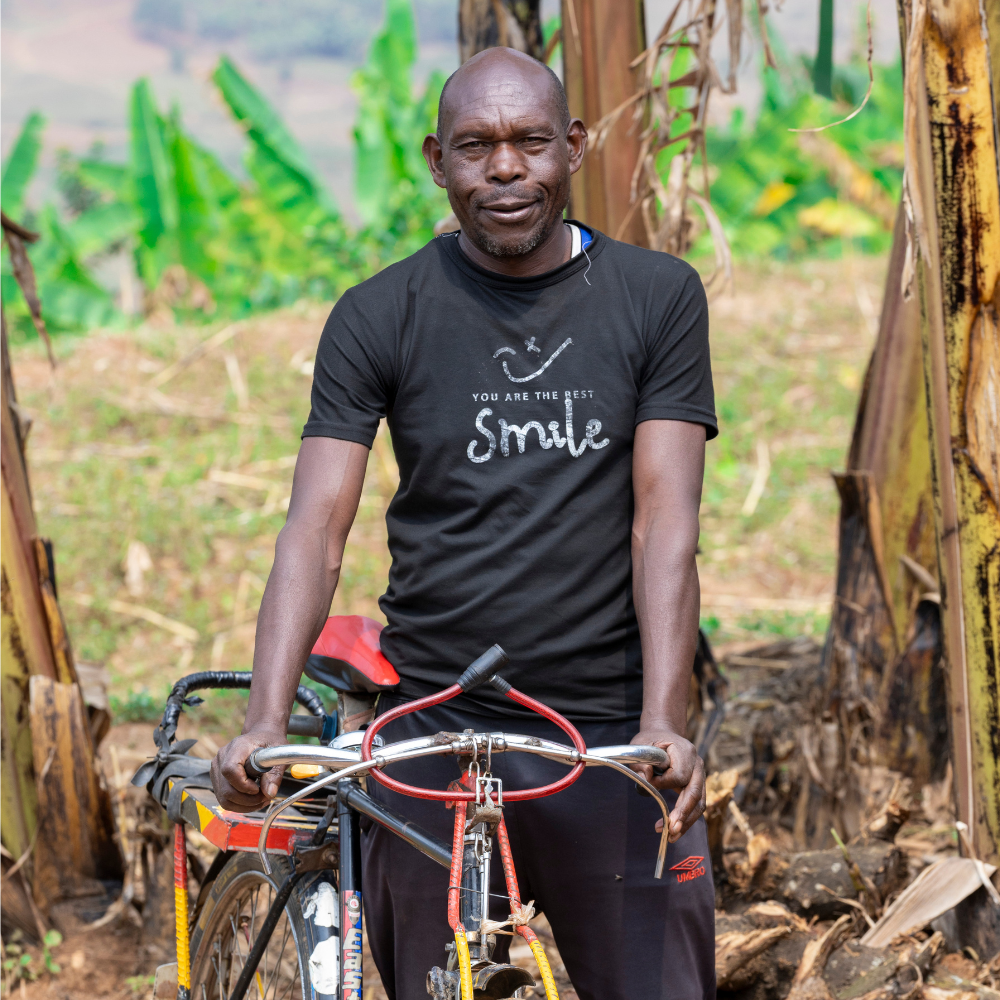
“I used part of my transfer to clear hospital bills and buy food. I also bought a bicycle to earn income. For the first time, I feel hopeful.”
These stories reflect what I saw repeatedly in Nyagisozi. When people are trusted with resources, they make careful, forward-looking decisions rooted in responsibility, dignity, and hope.
Our field team ensured the program ran safely and smoothly
As we closed operations in September 2025, here is what stood out from our work on the ground:
- 191 cases logged and 94% resolved
- Taskforce committees helped prevent loansharking
- Help desks and inteko meetings gave people space to ask questions
- Salesforce helped us prevent duplicate enrollments
These lessons will guide our future work and help us deliver even better service in the next sector.
This project was made possible through GiveDirectly’s partnership with the Qatar Fund for Development (QFFD) and the Government of Rwanda. Together, we’re helping families across Rwanda take control of their futures, one transfer at a time.