Delivering cash to Cyclone Fytia survivors in Madagascar
GiveDirectly is delivering cash to families in the hardest-hit areas of Madagascar.
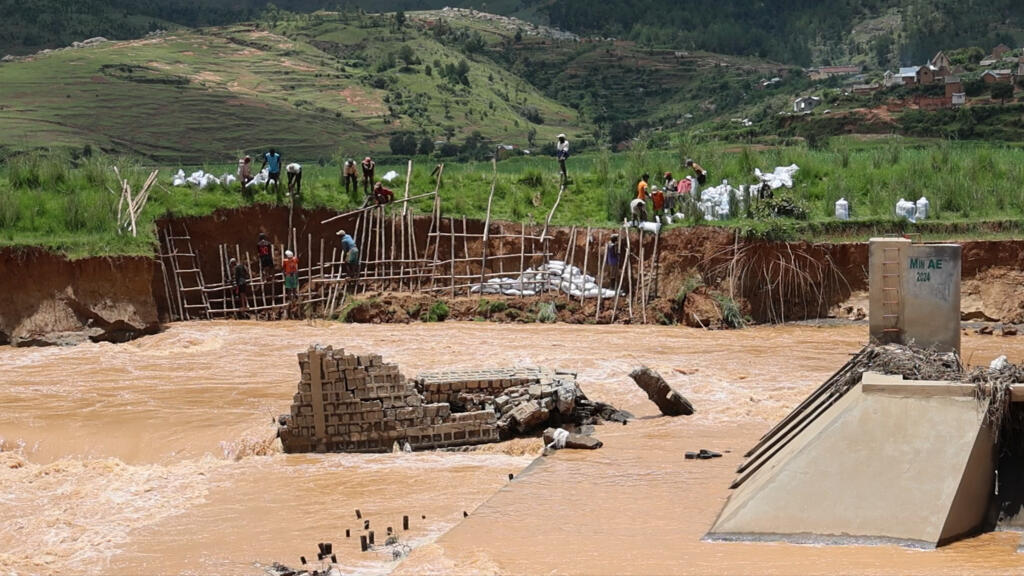
Tropical Cyclone Fytia struck northwest Madagascar in the early morning of January 31 with maximum winds of 210 kilometers per hour, affecting eight regions. The storm is the most powerful to hit the region since Cyclone Andry in 1983.
More than 20,000 people have been displaced, and an estimated 175,000 people could be affected. 42,000 homes are threatened with flooding and 10,000 hectares of rice paddies are at risk.
Madagascar also faces a concurrent humanitarian crisis after significant aid cuts over the last year, with the cyclone compounding existing food insecurity and poverty vulnerabilities.
We’ve delivered cash to over 900 families in the hard-hit parts of Marovoay in the northwestern Boeny Region and plan to reach 1,300 more.
This emergency cash is helping cover their immediate needs and recovery, such as:
- 💳 Bills for mobile phone airtime and healthcare
- 🍛 Essential supplies like food, water, medicine, generators, and diapers
- 🏨 Transport and shelter while evacuated
We use poverty and damage data to identify families most in need
Using poverty and flood impact data in Madagascar, we identified areas with high needs. For poverty, we look at multi-dimensional poverty rates and the Relative Wealth Index; and for damage, we look at flood extent, roads flooded, and estimated population affected. We set up hot-spot enrollment kiosks with tablets to assist people in registering for cash aid. Payments were then sent to their phones via Orange Money.
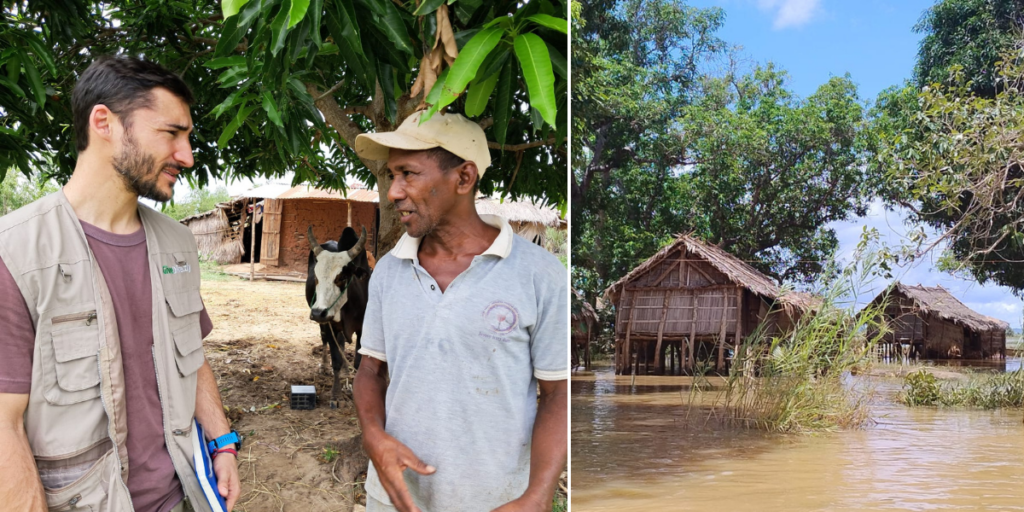
Direct cash reaches those in greatest need quickly and remotely
Receiving money – without strings attached – supports families’ short term survival and long term recovery. Cash aid is fast and fully remote, letting families meet essential needs quickly and reaching them via digital transfers that don’t tax fragile supply chains or clog transit routes.
Cash aid allows survivors to meet their own needs rather than having others guess for them — which is why people impacted by a crisis say they prefer cash relief over donated goods.
We’ve built a response system to reach crisis survivors faster at a global scale
We have previously delivered emergency cash to some of the hardest-hit families and survivors of crises around the world, including:
- Hurricane Melissa in Jamaica, 2025
- North Cebu Earthquake in the Philippines, 2025
- Armed conflict in the DRC, 2025
- Hurricanes Helene & Milton in the U.S., 2024
- Morocco earthquake, 2023
- Türkiye earthquake, 2023
We use damage and poverty data to identify the highest-need communities, and then enroll and pay impacted families. The exact process and transfer size are still being determined, and we’ll update this page when confirmed.
Read more about GiveDirectly’s emergency cash programs and previous disaster responses.
If you’re interested in making a major gift to support this response, please reach out to us at info@givedirectly.org.