
Send money directly to
people who need it most.
Your donation empowers families in poverty
to choose how best to improve their lives.

Why cash?
Giving cash is simple
-
Simple
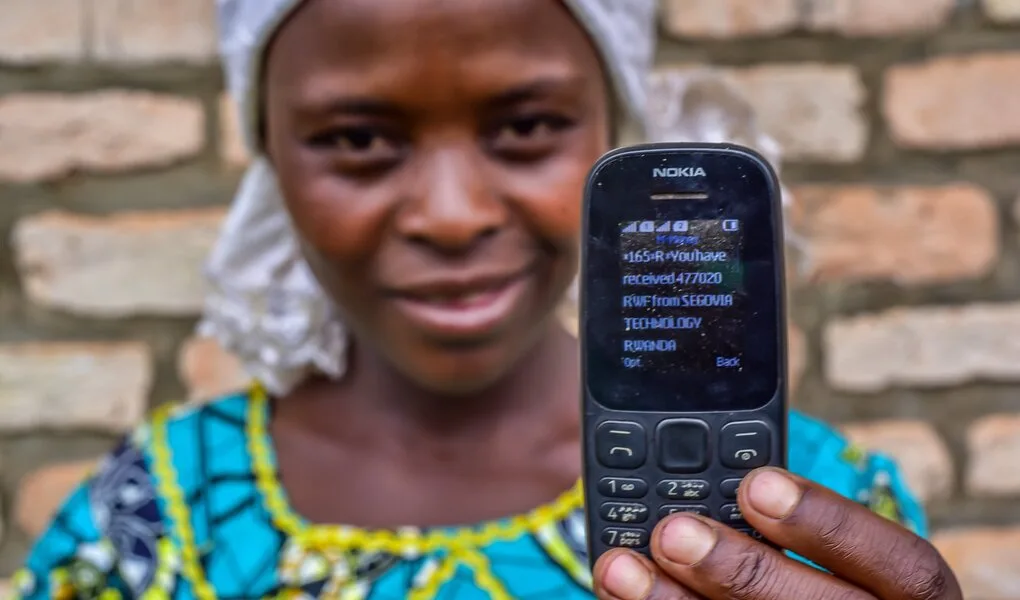
There's no middlemen. Your donation goes directly to someone in need, efficiently delivered via mobile money.
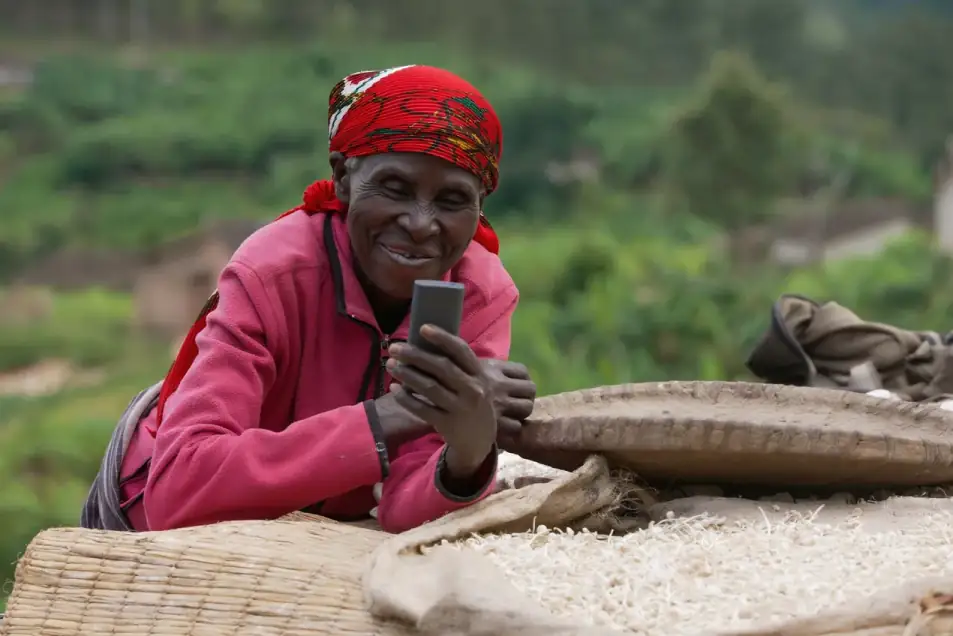
Esther in Rwanda 🇷🇼 -
Proven
There are 1,000+ studies on cash: the most out of all anti-poverty programs. The evidence shows cash drives long-term impacts even 12 years after a transfer.
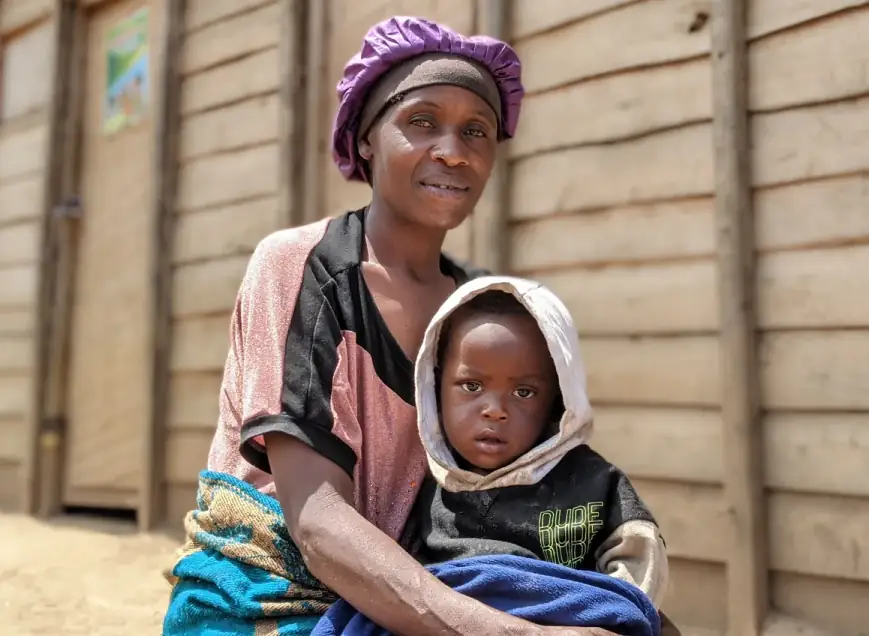
Helene with her son in DRC 🇨🇩 -
Respectful
Traditional aid often decides what people need. But people living in poverty are the experts in their own lives, and deserve the freedom to choose how best to improve them.
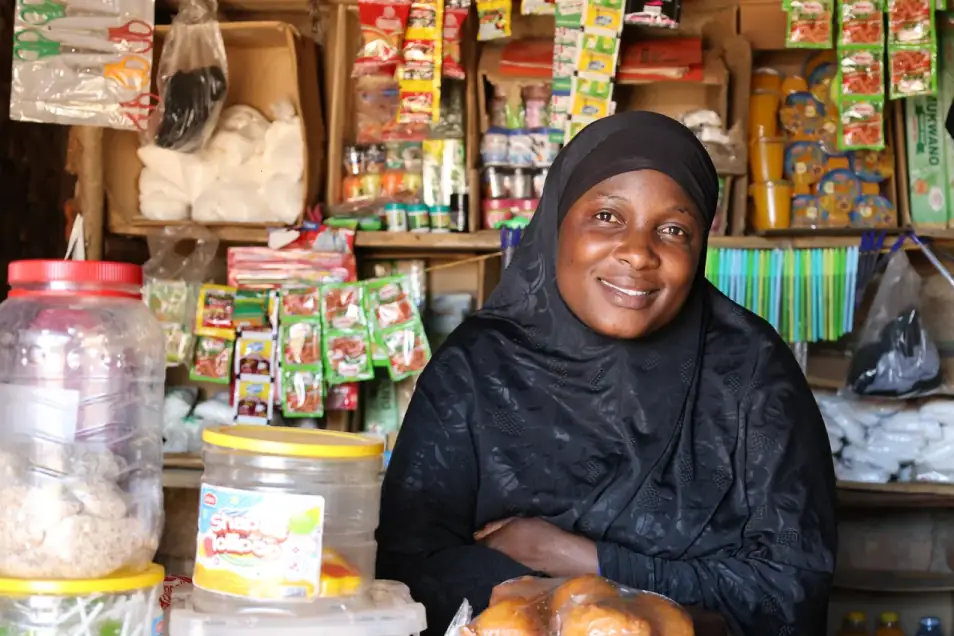
Abigaba in Isingiro, Uganda 🇺🇬 -
Transformative
We give families a life-changing amount of money to invest in food, housing, education, and small businesses. The impact starts immediately and lasts for years.
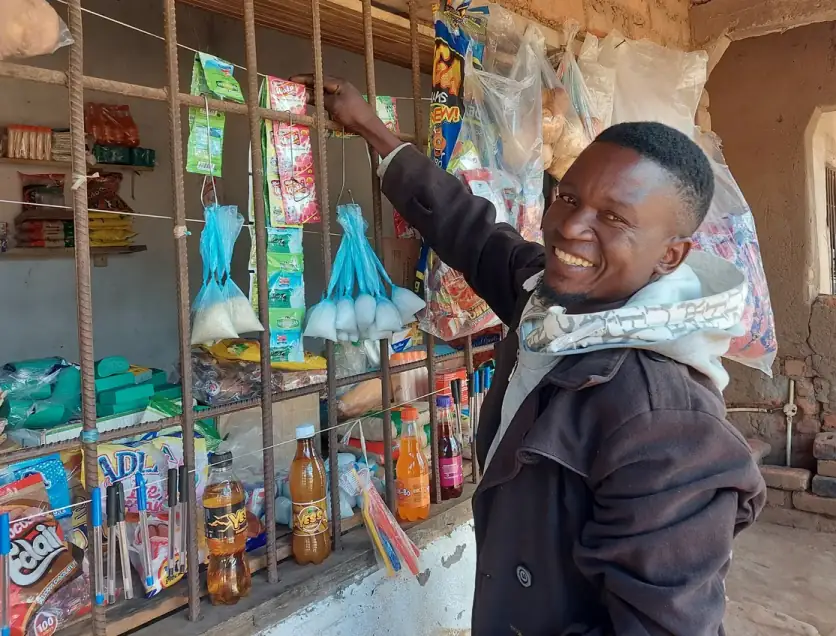
Richard in Nankhumwa, Malawi 🇲🇼
Read independent reviews and real-world coverage of our work

“Giving $1,000 to poor families lowered infant mortality rates by nearly half, and deaths in children under 5 by 45 percent… The decline in infant mortality is a ‘show-stopping result.’”
Read more →
“This simple model is disrupting the traditional charity sector by cutting out the NGO middle man.”
Read more →
The Most Innovative Nonprofits of 2026
Read more →
“Why billionaires like MacKenzie Scott and Jack Dorsey are donating millions to this nonprofit that gives cash to the poor”
Read more →
“[GiveDirectly’s] investment in fast payment technologies. . . is a large part of how quickly they can deliver donations directly to recipients.”
Read more →


“GiveDirectly uses a rigorous, data-driven model to oversee the entire transfer process end-to-end — without a middleman or partner charity.”
Read more →Trusted by top funders and researchers




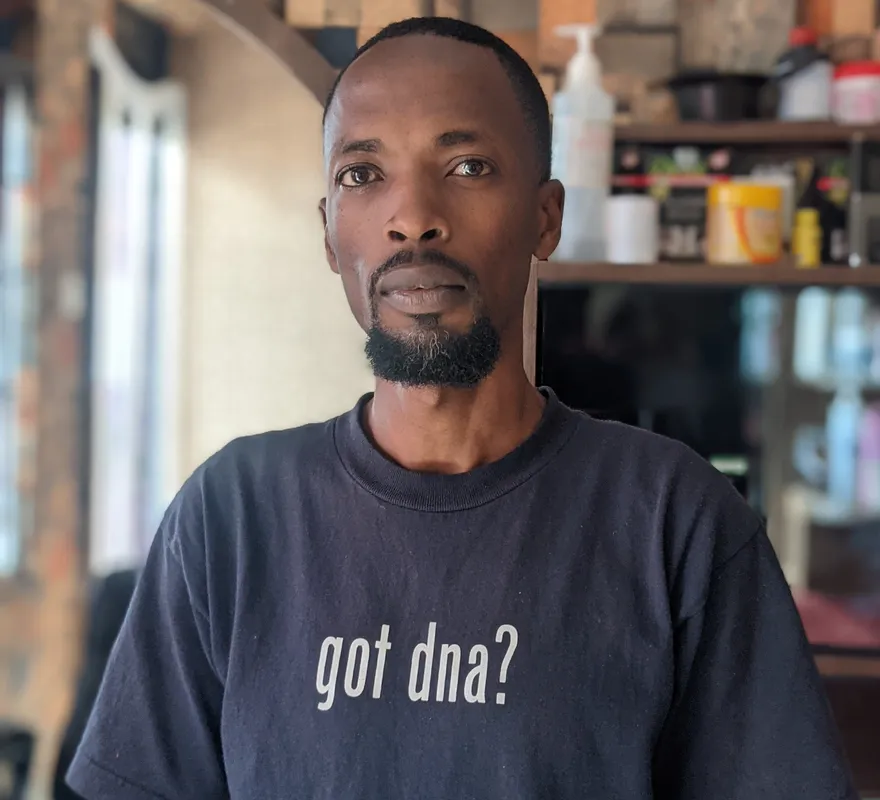
 Didier in Kenya
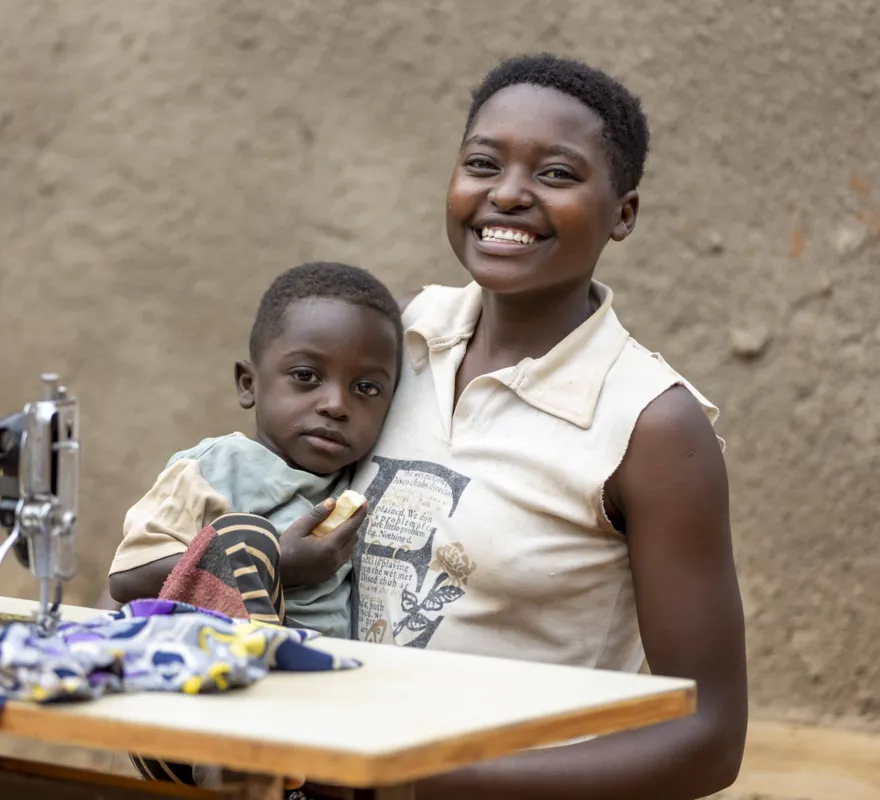
 Francoise in Rwanda
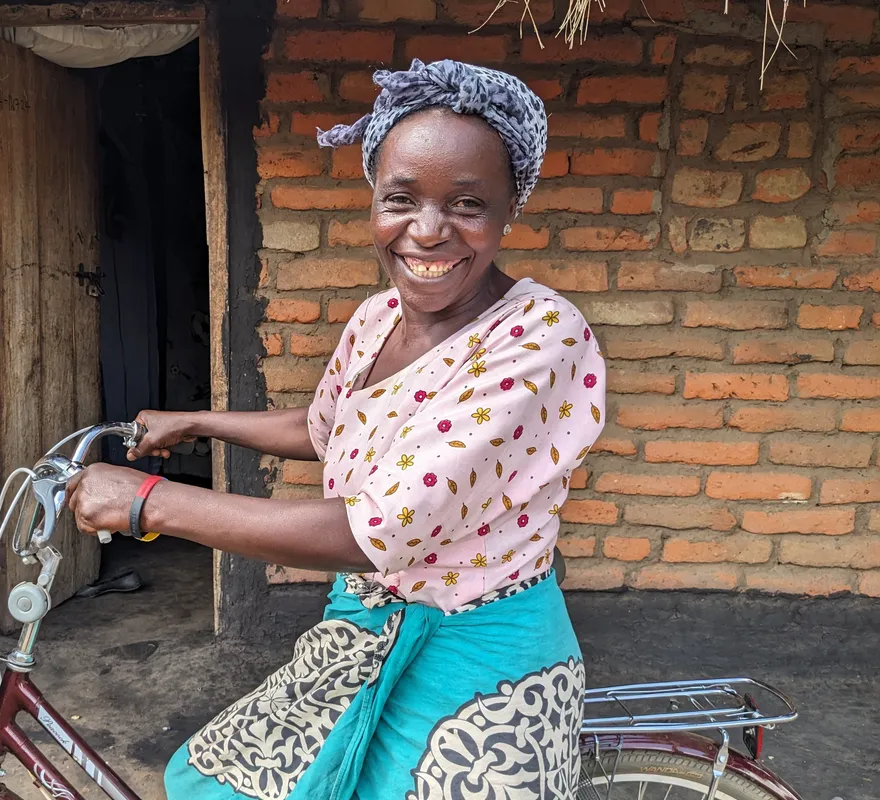
 Mirriam in Malawi
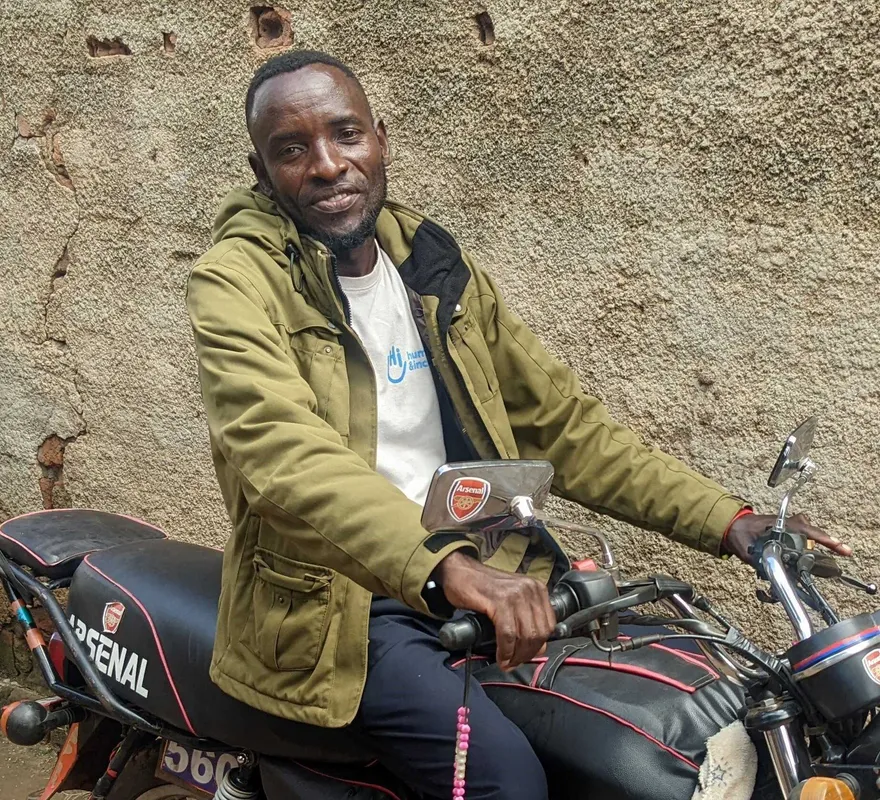
 Denis in Uganda
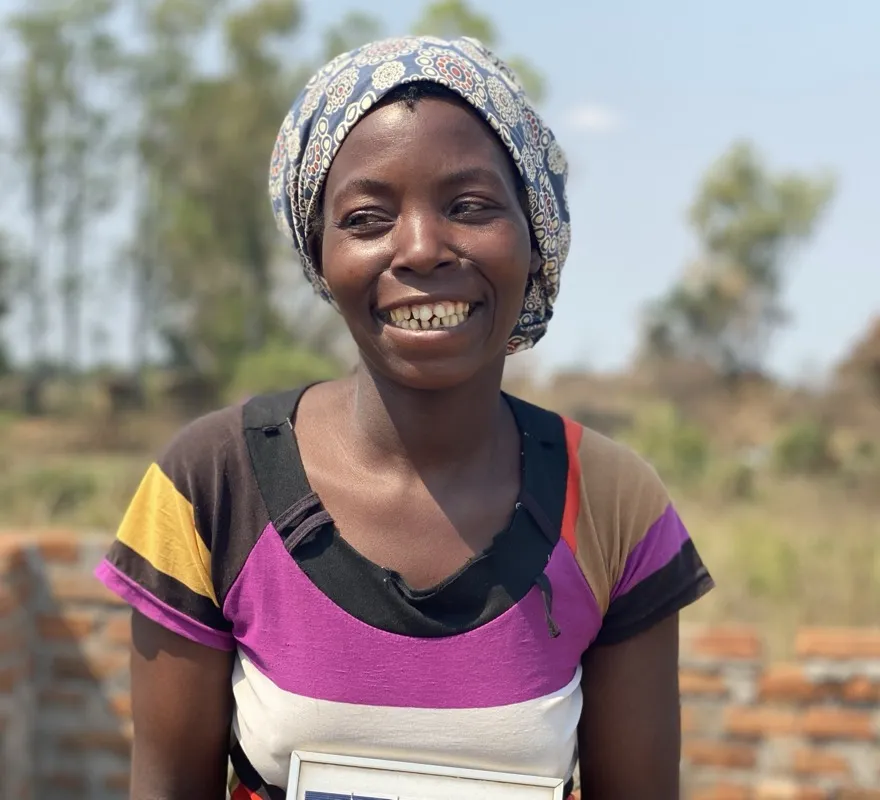
 Rabeca in Mozambique
2,221,167 people reached
Explore highlights from the field
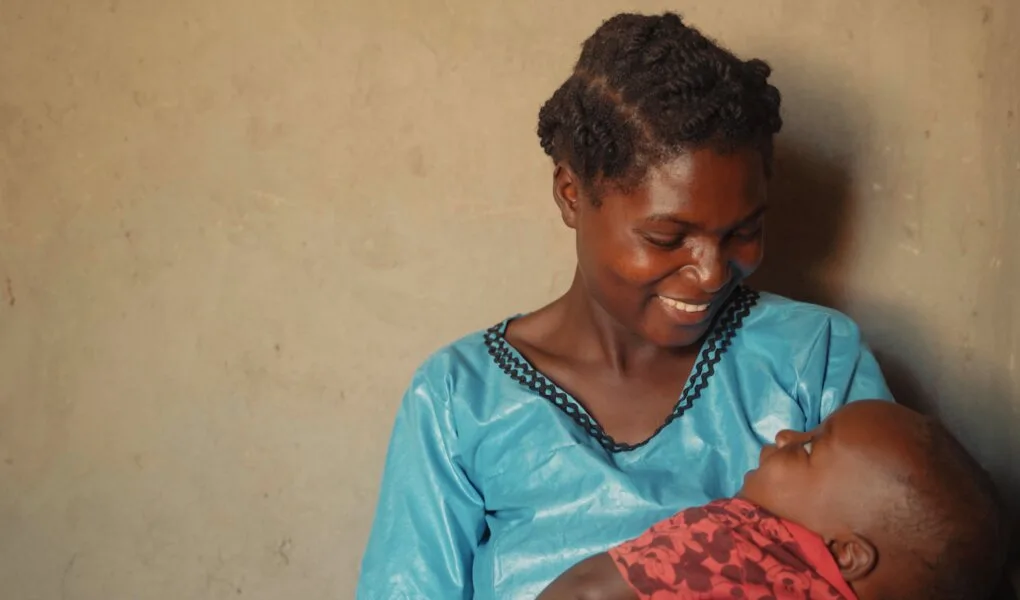
Study: Giving cash to mothers cut infant deaths in half
A randomized study in Kenya found that giving families a $1,000 GiveDirectly cash transfer cut infant deaths by 48%, and now GiveDirectly is launching a new program with a Kenyan community health provider to deliver cash to more expectant mothers and maximize these life-saving impacts.
Switching to more cash aid would help millions in 2025
Maximizing the portion of humanitarian aid given as cash from 20% to 50% could mean directly helping ~2.7 million more people this year without spending more.
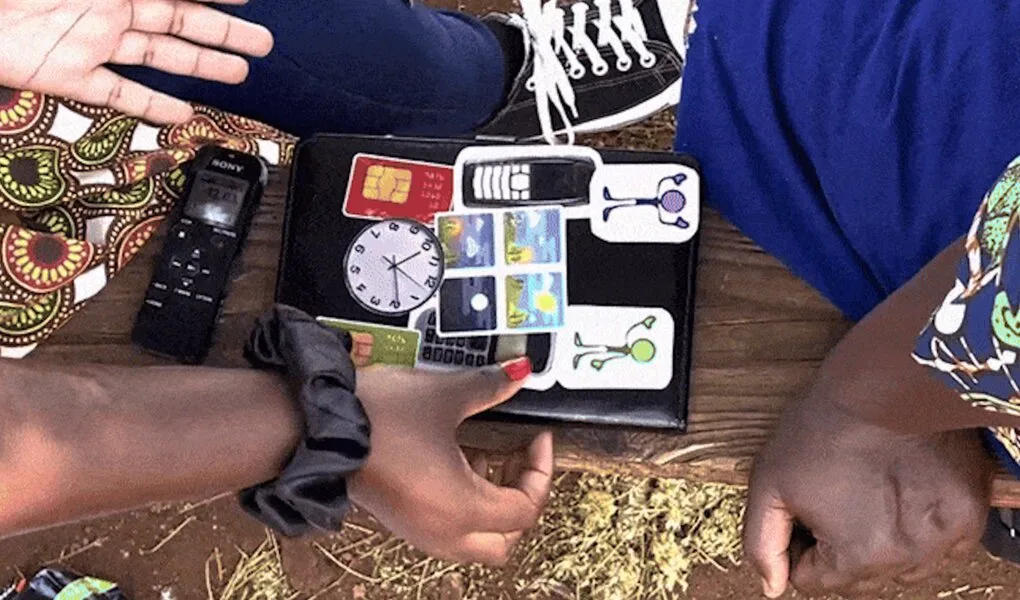
Explain AI/ML systems to people in poverty using real-world scenarios
GiveDirectly collaborated with researchers and local teams to refine how we explain our AI-driven payment system, finding that scenario-based examples resonate best with recipients.
How GiveDirectly prevents, addresses, and reports risks
GiveDirectly publishes an annual report on fraud, harm, and safety incidents, reflecting our increased investment in safeguarding and commitment to transparency.
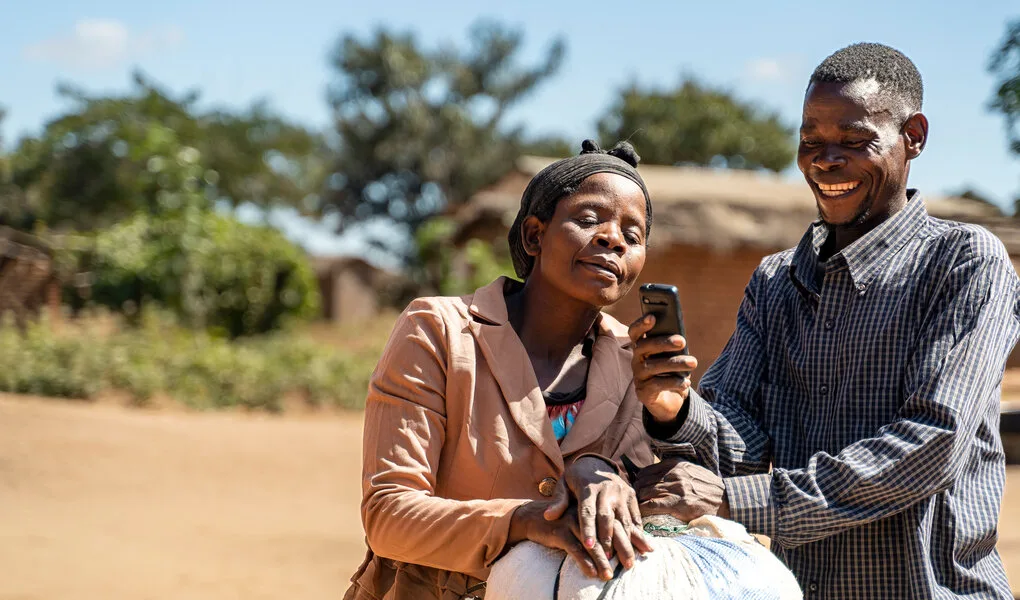
More people in poverty get cash when we work with governments
GiveDirectly is partnering with the governments of Malawi and Rwanda to run cash transfer programs integrated with both countries' wider development plans, creating a path to accelerating the end of extreme poverty.
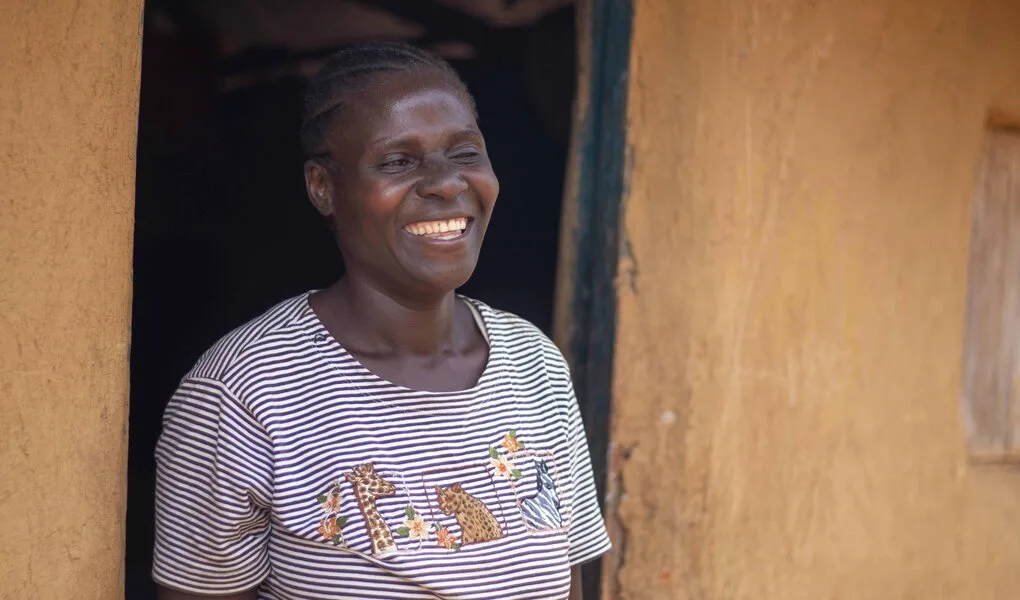
Early findings from the world's largest UBI study
We worked with researchers to compare the impacts of a short-term UBI vs. long-term UBI vs. lump sum transfer. These results look at just the first two years, when all three groups had received roughly the same amount of money.
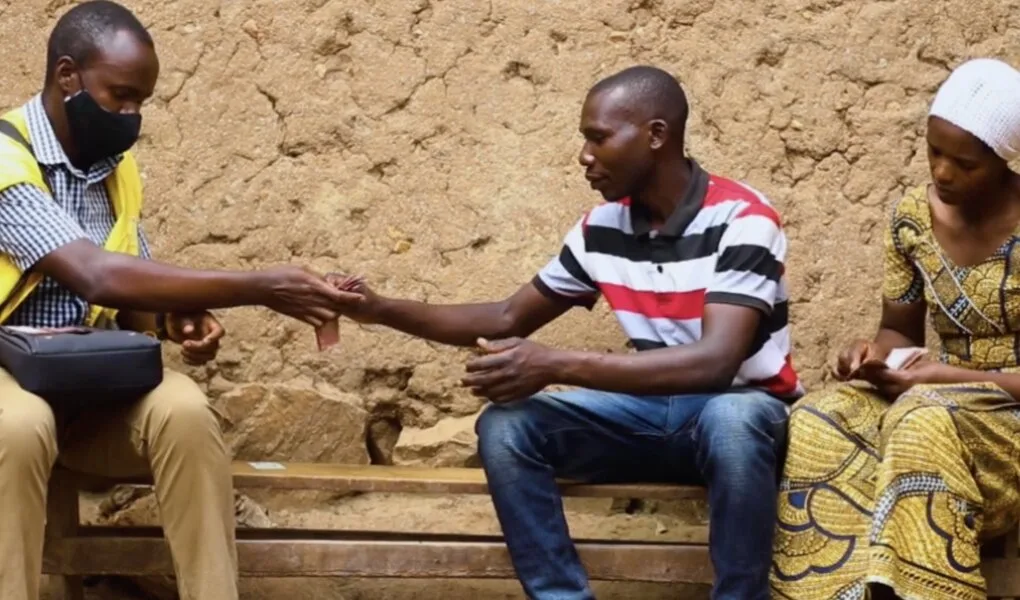
The power of getting a mobile phone
16% of Africans do not live within reach of a mobile network, with the biggest gaps in the poorest regions due to a lack of demand. Our project reaching 15K families in Kiryandongo, Uganda motivated two telcos to extend coverage and mobile money agents to the area…
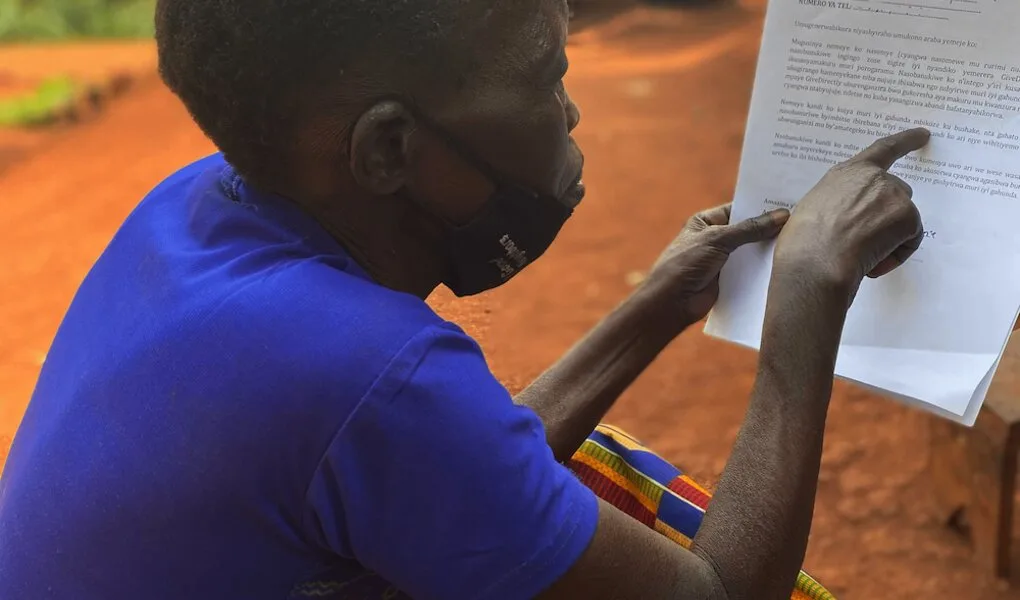
Sharing stories of poverty but not 'poverty porn'
People in poverty are often documented without their consent. GiveDirectly only documents recipients with their formal consent, or in the case of minors, both their and their parents' consent. They opt to sign a plain-language form translated into local languages…