Studies of our work giving ~$1,000 to families in impoverished African villages have found life-changing results 1-2 years later.
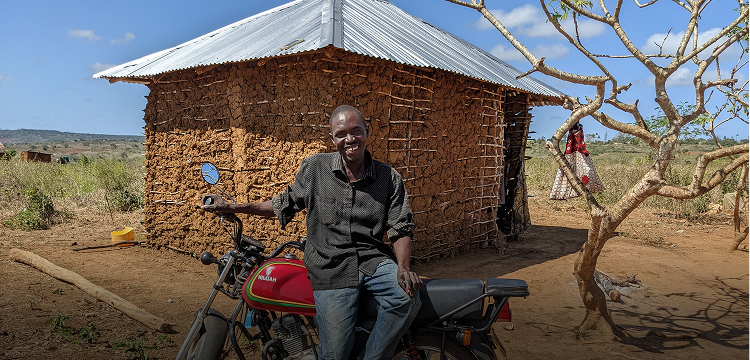
Families were less poor
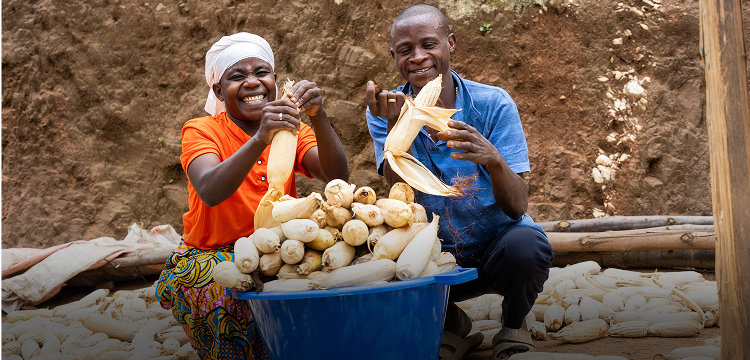
Families were healthier
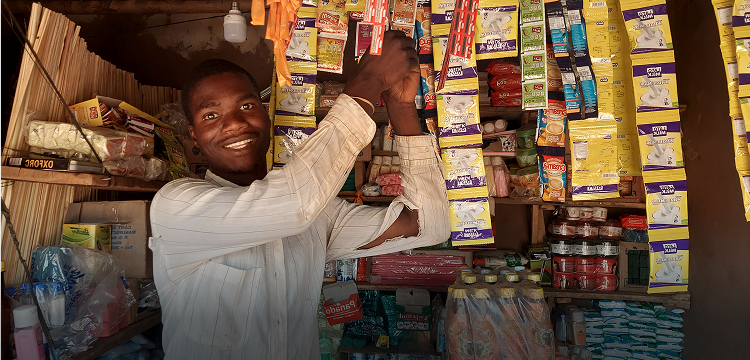
Communities were thriving
There are hundreds more showing similar impacts.
Direct cash to families in rural Kenyan
The study documented large, positive impacts of cash transfers averaging ~$500 across a wide range of outcomes including assets, earnings, food security, psychological well-being, and domestic violence, an average four months after transfers ended.
It also examined a number of design questions such as how to size transfers and whether to give them to men or women.
A second endline survey >2 years after the end of transfers found “cash transfers result in sustained increases in assets. Long-term impacts on other dimensions, and potential spillover effects, remain to be substantiated by future work.

Researchers
Partners
Registration
Status
Publication year
Country
Program category
Transfer design
Transfer size
Baseline date
Population studied
Outcomes studied
$1,000 to Ugandan coffee farmers
The study evaluated the impact of $1,000 cash transfers to Ugandan communities where coffee-farming is common.
It found that consumption, assets, food security, and earnings all increased for both coffee farmers and households that don’t produce coffee. Coffee farmers increased their investment in coffee farming, as well as in other livelihoods.

Partners
Registration
Status
Publication year
Country
Program category
Transfer design
Transfer size
Baseline date
Population studied
Outcomes studied
Comparing universal basic income (UBI) to a single lump sum in rural Kenya
This study, the largest to date on universal basic income (UBI), evaluates the impact of long-term (12 years), short-term (2 years), and lump sum cash transfers, each equivalent to $0.75 per day.
Surveys cover a broad range of outcome domains: economic, health, social well-being, macroeconomic well-being, and financial preferences.
Researchers
Partners
Registration
Status
Publication year
Country
Program category
Transfer design
Transfer size
Baseline date
Population studied
Outcomes studied
Comparing a Rwandan nutrition/WASH program to just giving cash
The study explored the cost-effectiveness (impact per dollar) of unconditional cash transfers and of Gikuriro, an integrated nutrition program.
It found that neither the traditional program nor cost-equivalent cash transfers of ~$110 affected the study’s primary outcomes, but a larger cash transfer of ~$532 improved consumption, dietary diversity, and childhood growth 12 months after the baseline survey. For secondary outcomes studied, the smaller cash transfer program decreased debt and increased assets, while the nutrition program increased savings.

Researchers
Partners
Registration
Status
Publication year
Country
Program category
Transfer design
Transfer size
Baseline date
Population studied
Outcomes studied
Comparing Rwandan youth job training to just giving cash
This study benchmarked the impact of a youth employment education intervention to cash transfers in the Rwandan context.
It found that both programs increased productive hours, assets, savings, and subjective well-being. Only youth training improved business knowledge, and only cash transfers improved consumption, income, and wealth. When the programs were compared directly at an equivalent cost per beneficiary ($332), “cash proves superior across a number of economic outcomes, while training outperforms cash only in the production of business knowledge”. The study found little evidence that combining cash with training improved cost-effectiveness, compared to delivering cash on its own.
Researchers
Partners
Registration
Status
Publication year
Country
Program category
Transfer design
Transfer size
Baseline date
Population studied
Outcomes studied
$1,000 to low-income Americans during the COVID-19 pandemic
This study evaluates the impact of $1,000 cash transfers provided to low-income families across the U.S. during the COVID-19 pandemic.
The study includes two cohorts – May 2020 and October 2020 – totaling more than 25,000 participants. It is the first rigorous study of a one-time, $1,000 transfer in the U.S. It explores a variety of outcomes including material hardship, mental health, parenting practices, child well-being, and partner relationships.

Researchers
Registration
Status
Publication year
Country
Program category
Transfer design
Transfer size
Baseline date
Population studied
Outcomes studied
$1,000 to refugees in a Ugandan settlement
This study evaluates the impact of $1,000 cash transfers on refugee households in Uganda, assessing outcomes such as income, assets, food security, and psychological well-being.
It also examines how cash affects host communities and relationships between refugees and hosts.
Researchers
Partners
Registration
Status
Publication year
Country
Program category
Transfer design
Transfer size
Baseline date
Population studied
Outcomes studied
Kenyan recipient’s preference of timing and structure of direct cash transfers
This study is measuring the impact of different cash transfer designs, including giving recipients control over timing and giving them information on the performance of investments made by past recipients.
Researchers
Partners
Registration
Status
Publication year
Country
Program category
Transfer design
Transfer size
Baseline date
Population studied
Outcomes studied
Impact of $1,000 to 10,000 families on local economy of rural Kenya
This study examines the broader economic effects of cash transfers, finding that both recipients and non-recipients saw increased income and spending.
A $1,000 transfer generated approximately $2,500 in total economic impact over 27 months. Recipients also experienced gains in psychological well-being, food security, education, and security, with no significant negative effects on non-recipients. Despite cash transfers exceeding 15% of local GDP, prices rose by only 0.1% on average.
Researchers
Partners
Registration
Status
Publication year
Country
Program category
Transfer design
Transfer size
Baseline date
Population studied
Outcomes studied
Comparing a psychological intervention to just giving $1,000 in rural Kenya
This study examines whether short, low-cost motivational interventions drawing on social psychology affect psychological outcomes, such as aspirations and sense of control, economic behaviour, and future-oriented investments.
It also explores whether receiving such an intervention in combination with a cash transfer enhances the effects of the cash transfer. The intervention consists of a twenty-minute video about people similar to the respondents who have been successful economically, followed by a goal-setting exercise in groups. Similar videos were already tested in Ethiopia and Western Kenya.
Researchers
Registration
Status
Publication year
Country
Program category
Transfer design
Transfer size
Baseline date
Population studied
Outcomes studied
Cash support for new mothers in Flint, Michigan
This study examines the impact of a city-wide cash transfer program on maternal and infant poverty in Flint, Michigan.
Led by Dr. Mona Hanna (Rx Kids Director, Michigan State University) and Professor Luke Shaefer (Rx Kids Co-Director, University of Michigan), it uses a mixed-methods approach to assess both short-term outcomes, such as reduced hardship, and long-term effects, like kindergarten readiness.
Researchers
Status
Country
Program category
Transfer design
Transfer size
Baseline date
Population studied
Outcomes studied
Guaranteed income to low-income families in Chicago, Illinois
This study evaluates the impact of sustained, unconditional cash transfers on poverty and economic outcomes in Chicago, Illinois.
In a randomized trial, 5,000 individuals receive $500 per month for one year, while a control group of approximately 7,000 individuals serves as a comparison. The study aims to address fundamental questions about the effects of ongoing cash assistance and contribute to broader policy discussions on income support.
Researchers
Partners
Registration
Status
Publication year
Country
Program category
Transfer design
Transfer size
Baseline date
Population studied
Outcomes studied
Cash plus nutrition education for Malawian mothers
This study evaluates the cost-effectiveness of using community-based childcare centers and parenting care groups to improve maternal diets, child nutrition, and development in Malawi.
It tests the impact of nutrition-focused behavior change interventions, both alone and combined with cash transfers, in communities already receiving a government early childhood development program.

Researchers
Partners
Registration
Status
Country
Program category
Transfer design
Transfer size
Baseline date
Population studied
Outcomes studied
Direct cash to families in rural Liberia & Malawi
This study evaluates the impact of different cash transfers sizes ($250 to $750) on a broad range of outcome measures, for a broad range of recipients.
Its findings provide a benchmark against which the impacts of other potential development interventions in Liberia and Malawi can be assessed. It also tests whether improving access to agricultural input markets increases the impact of cash transfers.

Researchers
Partners
Registration
Status
Publication year
Country
Program category
Transfer design
Transfer size
Baseline date
Population studied
Outcomes studied
Impact of $1,000 cash transfers on child mortality in Kenya
A randomized study in Kenya found that a one-time $1,000 cash transfer to families reduced infant deaths by 48%, with the biggest gains for mothers living near health facilities. The cash helped women afford prenatal care and avoid heavy work late in pregnancy, leading to better health for both mothers and newborns.
The finding comes from the same randomized rollout as the broader general equilibrium RCT, with this new mortality finding made possible by a new survey covering over 100,000 births in the study region.
Researchers
Partners
Registration
Status
Publication year
Country
Program category
Transfer design
Transfer size
Baseline date
Population studied
Outcomes studied
Impact of $1,000 to Kenyan families on political and community engagement
This study evaluates the impact of large, unconditional cash transfers on political engagement and community dynamics in rural Kenya.
Using data from two randomized controlled trials across 1,097 villages, it examines how cash transfers affect clientelism, civic participation, and group involvement for both recipients and non-recipients.
Researchers
Partners
Registration
Status
Country
Program category
Transfer design
Transfer size
Baseline date
Population studied
Outcomes studied
Cash plus financial planning training for couples in Liberia
This study assesses how facilitated financial planning influences spending decisions and whether it affects the balance of decision-making between men and women.
Partnering with the Government of Liberia, the World Bank, and GiveDirectly, the study includes three groups: a control, a cash-only group, and a cash-plus-planning group. Households receive six transfers of $90–$100 over 12–15 months, with some also participating in a planning session to set spending goals. The study, covering 2,500 households in rural Liberia, measures effects on expenditures, decision-making power, relationship dynamics, and satisfaction with spending choices.
Researchers
Partners
Registration
Status
Country
Program category
Transfer design
Transfer size
Baseline date
Population studied
Outcomes studied
Comparing Congolese youth training with just giving cash
This study evaluates the impact of different cash transfers sizes to young people living in urban and rural environments on a broad range of outcome measures.
The rural youths also participated in an Integrated Youth Development Activity (comprising Savings and Internal Lending Communities and a range of training opportunities), allowing researchers to test whether and how cash and the development activity complement each other. Its findings provide a benchmark against which the impacts of other potential development interventions targeting young people in DRC can be assessed. It also explores the impact of varying transfer timing to inform future cash transfer program design.

Researchers
Partners
Registration
Status
Country
Program category
Transfer design
Transfer size
Baseline date
Population studied
Outcomes studied
Cash plus mentorship for refugees in a Ugandan settlement
This study assesses the impact of cash transfers and mentorship on vulnerable Ugandan and refugee microentrepreneurs.
It includes multiple treatment arms, all receiving an initial cash grant and the chance to win additional rewards through a business performance lottery. Some participants are placed in mentorship groups with incentives tied to either individual or group success. The study also tests the effects of mixed-gender and mixed-nationality groups on business outcomes, exploring how group dynamics influence entrepreneurial success.
Researchers
Partners
Registration
Status
Country
Program category
Transfer design
Transfer size
Baseline date
Population studied
Outcomes studied
Guaranteed income to low-income families in Cook County, Illinois
This study evaluates the impact of sustained, unconditional cash transfers on poverty and economic outcomes in Cook County, Illinois.
In a randomized trial, 3,250 individuals receive $500 per month for two years, while a control group of 8,940 individuals serves as a comparison. The study aims to provide insights into the long-term effects of ongoing cash assistance and inform broader policy debates on income support.
Researchers
Partners
Registration
Status
Country
Program category
Transfer design
Transfer size
Baseline date
Population studied
Outcomes studied
The largest RCT on unconditional cash transfers
This study, the largest randomized controlled trial on unconditional cash transfers, evaluates their impact on household welfare, local markets, and long-term economic outcomes in Malawi.
GiveDirectly is providing $550 transfers to 140,000 adults across two districts, using a randomized rollout to measure effects on consumption, business activity, inflation, and market dynamics. By tracking household spending, firm behavior, and price changes, the study offers insights into how cash transfers influence economic resilience and long-term well-being.
Researchers
Partners
Registration
Status
Country
Program category
Transfer design
Transfer size
Baseline date
Population studied
Outcomes studied
$9,500 to homeless families in Chicago, Illinois
This study evaluates the impact of a one-time cash transfer on families with children accessing emergency homeless services in Chicago, Illinois.
It examines effects on housing stability, future homelessness, well-being, mental health, labor participation, government program use, criminal justice contact, and children’s educational outcomes.
Researchers
Partners
Registration
Status
Country
Program category
Transfer design
Transfer size
Baseline date
Population studied
Outcomes studied
Cash plus financial training for refugees in Nairobi, Kenya
This study compares the impact of providing $725 transfers to urban refugees in Nairobi, Kenya against giving the same amount of cash transfers, combined with financial inclusion and business training provided by Equity Bank.
The study aims to measure effects on recipients’ economic wellbeing, financial literacy, self-reliance, and psychological wellbeing.
Researchers
Partners
Registration
Status
Country
Program category
Transfer design
Transfer size
Baseline date
Population studied
Outcomes studied
Guaranteed income for low-income women in Georgia (Phase 2)
This study tests the impact of guaranteed income by offering recipients in Georgia, USA either $1,000 monthly or $800 monthly plus an $8,000 lump sum.
Running from 2024 to 2027, it evaluates effects on food security, nutrition, economic well-being, health, and psychological well-being.
Researchers
Partners
Status
Country
Program category
Transfer design
Transfer size
Baseline date
Population studied
Outcomes studied
$880 to rural Ugandan families
This study evaluates the feasibility of delivering $880 cash transfers to remote communities in northern Uganda.
Surveys and operational data analysis found that mobile money enables secure and efficient cash delivery, supporting its viability as a distribution method in hard-to-reach areas.
Status
Publication year
Country
Program category
Hurricane relief cash in Texas and Puerto Rico
This study evaluates the feasibility and impact of $1,500 cash transfers to households affected by Hurricanes Harvey and Maria.
Surveys and interviews found that cash provided flexible support for diverse needs, and an efficient cash-based response was both feasible and highly valued by recipients.
Status
Publication year
Country
Program category
$660 to refugees in Uganda & their host communities
This study assesses the feasibility, spending patterns, and early impacts of $660 lump-sum transfers to long-term refugees and host community households.
Surveys and focus groups indicate broad positive effects shortly after receiving and using the funds.
Status
Publication year
Country
Program category
$700 to refugees in a Rwandan settlement & their host communities
Recipient surveys to evaluate the feasibility and indicative impact of ~$700 lump sum cash transfers to refugee households.
Status
Publication year
Country
Program category
Cash for urban youth in Nairobi, Kenya
This study assesses the feasibility and impact of combining digital entrepreneurship tools with $1,200 cash transfers — delivered as lump sums or monthly payments — to young people in an urban slum.
Surveys and focus groups assess how cash and digital tools influence economic opportunities and well-being.
Status
Publication year
Country
Program category
$40 a month for 3 months of COVID-19 lockdown in urban Kenya
This evaluation investigated the feasibility, reported spending and indicative impact of monthly cash transfers in urban settings during the COVID-19 pandemic.
4,000 Kenyan Shillings (or $35) was sent to 52,700 individuals living in informal settlements in Nairobi and Mombasa for three months.
Status
Publication year
Country
Program category
Improving recipient targeting using machine learning
This study evaluates the use of mobile phone data and machine learning to improve the targeting of emergency cash transfers in Togo during the COVID-19 pandemic.
By training algorithms on survey data, the approach aimed to identify and prioritize aid for the poorest mobile subscribers. The study compares this method to traditional targeting approaches, assessing exclusion errors, social welfare impacts, and fairness, highlighting the potential of alternative data sources to enhance humanitarian aid distribution.

Researchers
Partners
Registration
Status
Publication year
Country
Program category
Using mobile data to improve recipient targeting
This study supports the Government of Malawi in expanding urban social protection by evaluating cost-effective methods for targeting and enrolling cash transfer recipients.
It compares phone-based targeting, proxy means tests, and asset indices to assess accuracy, exclusion errors, and cost-effectiveness.
Researchers
Partners
Status
Country
Program category
Guaranteed income for low-income women in Georgia (Phase 1)
This study investigates the impacts of two cash designs — $850 per month for 24 months, or a $4,300 lump sum plus $700 per month for 23 months — on the financial stability, asset development, educational attainment, health, and psychological wellbeing of women in Atlanta, USA.